
The global demand for Human Tetanus Immunoglobulin is on the rise. According to a recent market analysis, the tetanus immunoglobulin segment is projected to grow significantly, reaching over $500 million by 2025. This increase is driven by a heightened awareness of tetanus prevention and vaccination initiatives worldwide.
Human Tetanus Immunoglobulin plays a crucial role in providing passive immunity to individuals exposed to tetanus-prone injuries. Medical professionals stress the importance of timely administration. Yet, availability can be inconsistent, especially in developing regions. Reports suggest that many countries still face barriers in access, impacting patient care.
Quality and sourcing are paramount for global buyers seeking Human Tetanus Immunoglobulin. Ensuring a reliable supply chain is vital. However, challenges such as fluctuating demand and regulatory complexities often arise. These factors can complicate procurement for healthcare providers. Addressing these issues is essential to optimize patient safety and treatment outcomes.
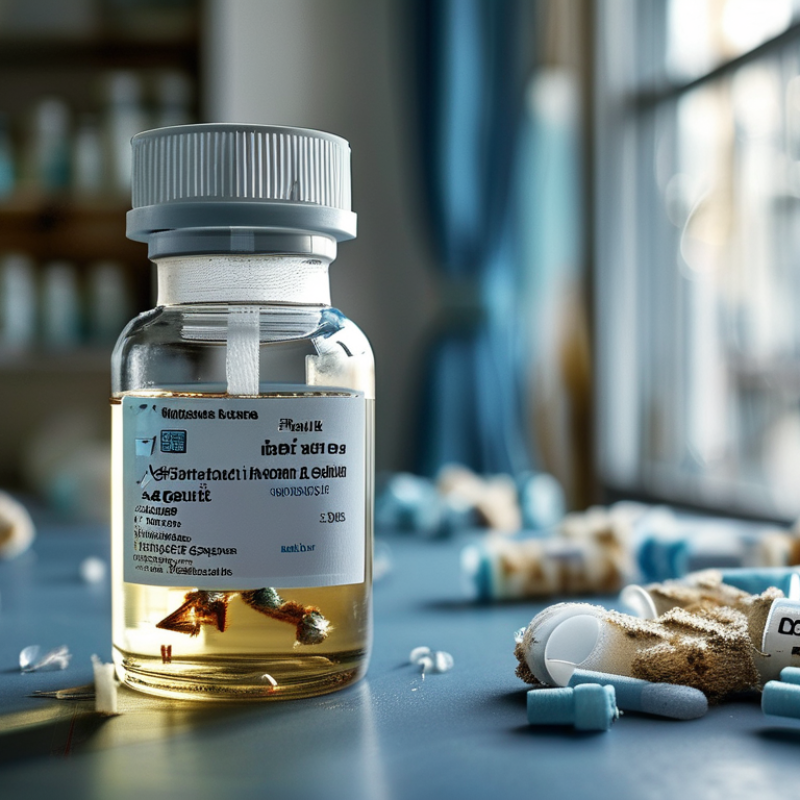
Human Tetanus Immunoglobulin (TIG) is crucial for preventing and treating tetanus. This antibody product offers immediate protection against the tetanus toxin. It is especially vital for individuals with deep or dirty wounds. Without timely intervention, these wounds can lead to severe complications.
TIG works by neutralizing the tetanospasmin toxin. This helps to prevent the onset of symptoms like muscle spasms and rigidity. Proper application of TIG can significantly reduce the risk of serious health issues. It is essential in emergency medicine, particularly in areas where vaccination rates are low.
**Tip:** Ensure you receive TIG as soon as possible after a potential exposure. The quicker the treatment, the better the outcome.
Understanding the importance of TIG can be daunting. Many may not be aware of its life-saving potential. Knowledge and awareness can lead to better health decisions, especially in high-risk regions. Timely treatment can be the difference between life and death.
**Tip:** Always check your vaccination records. Keeping up with tetanus vaccines can reduce the need for immunoglobulin.
Tetanus immunoglobulin is crucial for preventing and treating tetanus infections. In China, several manufacturers excel in producing high-quality immunoglobulins. These companies focus on strict quality controls and advanced manufacturing techniques. They prioritize safety and efficacy, ensuring their products meet global standards.
Many manufacturers invest in research and development. They work to innovate and improve their formulations. However, issues can arise. Variability in product quality may occur if strict protocols are not followed. Countries importing these immunoglobulins must ensure they source from reputable suppliers. Quality assurance is essential throughout the supply chain.
The demand for tetanus immunoglobulin is rising globally. This creates opportunities for Chinese manufacturers to expand their reach. Continued investment in technology and training could enhance their competitiveness. Nonetheless, buyers must remain vigilant about potential shortcomings. In the complex landscape of medical supplies, understanding the source is vital.
The quality standards for Tetanus Immunoglobulin in China are essential for ensuring patient safety. Strict regulations govern the manufacturing and testing of immunoglobulin products. The Chinese Pharmacopoeia provides specific guidelines on purity, potency, and sterility. Each batch undergoes rigorous evaluation before release to ensure compliance with these standards.
Data from recent industry reports indicate that over 80% of Tetanus Immunoglobulin produced in China meets or exceeds international quality benchmarks. This compliance is crucial for global buyers seeking reliable sources. However, there are occasional discrepancies in adherence to these standards. For instance, some manufacturers struggle with the documentation process, leading to variations in product quality.
The challenge lies in maintaining consistent quality across various production facilities. While advancements in technology improve monitoring, the human factor remains a concern. Training programs for staff can help mitigate risks associated with quality control. Continuous evaluation and improvement in the regulatory framework are essential for fostering consumer trust in these vital medical products.
The global distribution and supply chain of tetanus immunoglobulin have become critical in recent years. This product is vital for preventing tetanus, a serious infectious disease. According to industry reports, tetanus immunoglobulin consumption is projected to increase by 5% annually through 2025.
China plays a significant role in the supply chain. It is one of the leading manufacturers of tetanus immunoglobulin. However, logistical challenges persist. The cold chain requirements can complicate distribution across various regions. Many areas still struggle with maintaining proper storage conditions. Global buyers must navigate these complexities to ensure timely access to this crucial medicine.
Furthermore, regulatory hurdles can impact the supply. Different countries have various standards and import requirements. This can delay shipments and affect the reliability of supply. Buyers must engage closely with suppliers to understand these dynamics. Attention to these supply chain challenges is essential. By addressing them, stakeholders can strengthen the availability of tetanus immunoglobulin worldwide.
Tetanus immunoglobulin is crucial for preventing tetanus infections. Its effectiveness and pricing vary globally. Understanding these differences can help buyers make informed choices.
When comparing prices, some markets offer significantly lower rates than others. However, lower prices do not always equate to higher quality or efficacy. Some countries have advanced production processes. This may lead to more effective immunoglobulin in their markets. Buyers should consider the source and the production methods used.
Not all immunoglobulin products meet the same safety standards. Rigorous testing and quality control are essential for efficacy. The regulatory landscape varies by country, complicating the comparison further. Buyers must research and verify the credentials of suppliers. Engaging with local medical experts can provide additional insights into the best options. Each market's dynamics can present challenges but also opportunities for better health outcomes.
: The Chinese Pharmacopoeia outlines guidelines for purity, potency, and sterility in manufacturing.
Strict regulations and thorough testing of each batch help ensure compliance with safety standards.
Over 80% of the produced immunoglobulin in China meets or exceeds international quality benchmarks.
Some struggle with documentation, leading to variations in product quality and compliance issues.
Advancements in technology improve monitoring, but human factors still pose risks in consistent quality maintenance.
Training helps staff reduce risks related to quality control in the manufacturing process.
Consumption is expected to increase by 5% annually through 2025, indicating rising demand.
Cold chain requirements complicate the distribution, affecting regional storage and delivery.
Different countries have unique standards, which can delay shipments and disrupt the supply chain.
Continuous evaluation and improvement of regulatory frameworks bolster consumer trust in medical products.
Human Tetanus Immunoglobulin plays a critical role in the prevention and treatment of tetanus, a potentially life-threatening disease caused by toxin-producing bacteria. This summary explores the importance of Human Tetanus Immunoglobulin, highlighting China's position as a leading manufacturer in this field. The article provides insights into the quality standards and regulations that govern the production of these immunoglobulins in China, ensuring that global buyers receive safe and effective products.
Additionally, the global distribution and supply chain for Human Tetanus Immunoglobulin are discussed, emphasizing the seamless movement of these essential medical supplies across borders. A comparative analysis of prices and efficacy in different markets further illustrates the competitive landscape of Human Tetanus Immunoglobulin, enabling buyers to make informed decisions. Overall, this overview underscores the significance of China's contributions to the global availability of quality Human Tetanus Immunoglobulin.
