
The availability of a Freeze-Dried Rabies Vaccine For Human Use in China raises crucial health considerations. Rabies remains a life-threatening disease, with thousands of deaths occurring globally each year. A freeze-dried vaccine can offer a practical solution for effective prevention. This type of vaccine holds promise due to its stability and ease of transport.
However, there are complexities to consider. The distribution of such vaccines must adhere to strict regulations to ensure safety and efficacy. Pharmaceutical companies must navigate logistical challenges to provide access in rural areas. Furthermore, public awareness about rabies and vaccination remains limited. Education is key to enhancing community acceptance and understanding of this vaccine's importance.
In light of these factors, stakeholders in China's healthcare system must reflect on their roles. Collaboration among governments, manufacturers, and healthcare professionals is vital. The ultimate goal is to ensure that the Freeze-Dried Rabies Vaccine For Human Use is not only available but also accessible and effective in combating rabies.
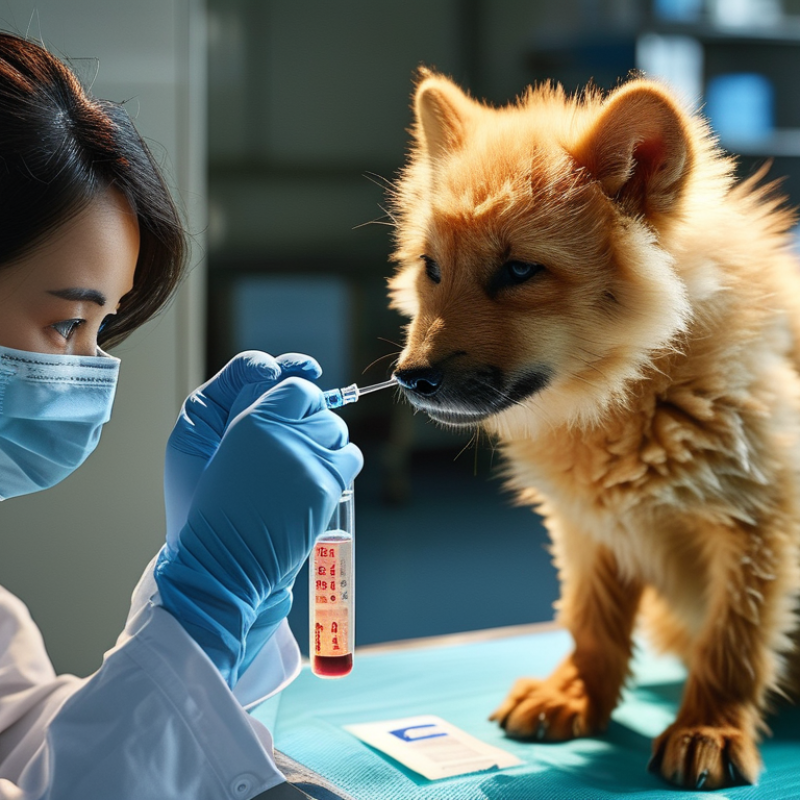
Freeze-dried rabies vaccines for human use are critical in combating rabies, especially in China. This vaccine form enhances stability and shelf-life. A report from the World Health Organization states that rabies causes approximately 59,000 deaths annually, predominantly in Asia and Africa. In areas where rabies is endemic, effective vaccination programs are vital.
The freeze-dried formulation allows for easier transportation and storage, requiring no refrigeration until reconstitution. Research indicates that the effectiveness of freeze-dried vaccines can remain intact for years when stored properly. However, the need for skilled personnel to administer these vaccines is essential. A significant percentage of administered vaccines lose potency due to improper handling.
Data from various studies suggest that access to these vaccines in rural areas remains a challenge. Vaccination campaigns must overcome logistical hurdles, such as storage conditions. Ensuring that healthcare workers are thoroughly trained is crucial. Despite advancements in freeze-dried technology, unintentional mistakes during the vaccination process continue to occur. Emphasis on training and community awareness may bridge these gaps in vaccine distribution and efficacy.
| Vaccine Type | Storage Temperature (°C) | Efficacy Rate (%) | Dosage (ml) | Administration Method |
|---|---|---|---|---|
| Rabies Vaccine A | 2 to 8 | 92 | 1.0 | Intramuscular |
| Rabies Vaccine B | -20 to -15 | 95 | 1.0 | Intramuscular |
| Rabies Vaccine C | 2 to 8 | 90 | 0.5 | Intramuscular |
| Rabies Vaccine D | 2 to 8 | 93 | 1.0 | Intramuscular |
The regulatory landscape for rabies vaccines in China is complex. Recent reports highlight that China's National Medical Products Administration (NMPA) has been revising its guidelines. These changes aim to enhance vaccine safety and efficacy. Currently, there are several vaccines approved for use, but the process for freeze-dried formulations remains under scrutiny.
Data from the World Health Organization (WHO) indicates that rabies vaccines are crucial for prevention, especially in high-risk areas. According to recent statistics, rabies causes approximately 59,000 deaths annually. The urgency for effective vaccines is therefore clear. Despite this, the path to approval for freeze-dried versions can be lengthy. This is due to rigorous testing and safety evaluations required by regulatory bodies.
Experts emphasize the importance of collaboration between manufacturers and regulatory agencies. Some industry insiders express concern about delays that may hinder vaccine accessibility. The sentiment within the community reveals a cautious optimism about future developments. Ensuring public health should remain a priority while navigating these regulatory challenges. Transparency in the approval process could foster trust. In a world facing numerous health threats, the availability of effective rabies vaccines is essential for public safety.
The production of freeze-dried rabies vaccines in China has gained attention due to increasing health concerns. Rabies remains a significant threat, causing over 59,000 deaths annually, primarily in Asia and Africa. Given this alarming figure, the demand for effective vaccines is critical in controlling this fatal disease.
Manufacturers in China are stepping up to meet this need. They utilize advanced freeze-drying technology to enhance vaccine stability. This process helps preserve the potency of rabies vaccines without the need for refrigeration. A report from the China Biopharmaceutical Industry Association indicates that the domestic market for such vaccines is expected to grow by 15% annually, reflecting both rising production capacities and demand.
However, challenges persist. Quality control remains a crucial issue. Ensuring that each batch meets regulatory standards is vital for public safety. Reports suggest that inconsistent manufacturing practices can lead to variability in vaccine effectiveness. Continuous improvements and adherence to best practices are essential for maintaining trust in these life-saving products.
The freeze-dried rabies vaccine has garnered attention in recent years. It offers a stable and effective solution for rabies prevention. The technology behind freeze-drying helps maintain the vaccine's potency. In countries like China, access to these vaccines is becoming increasingly important for public health.
Effectiveness is a critical concern. Studies show that freeze-dried vaccines produce robust immune responses. However, some questions remain. Why do certain individuals respond differently? Also, the storage conditions can impact effectiveness. It’s essential to follow guidelines carefully.
Safety profiles of these vaccines are generally favorable. Most patients experience mild side effects, such as soreness. However, there is a need for ongoing research to track rare adverse events. Increased awareness and monitoring are crucial for ensuring public confidence. Balancing effectiveness with safety continues to be an important focus.
Rabies remains a critical public health concern in China. The distribution and access to effective rabies vaccines face significant challenges. According to a report by the World Health Organization (WHO), rabies causes approximately 60,000 deaths annually worldwide. In China, the demand for rabies vaccinations has increased, particularly in rural areas where dog bites are more prevalent.
Access to vaccines is limited in remote regions. Infrastructure issues hinder effective distribution. Many local health facilities lack cold chain systems, resulting in vaccine spoilage. A study indicated that over 30% of vaccines are wasted due to improper storage. This loss exacerbates the existing public health crisis. Increasing awareness is vital for better access to vaccines.
Tips for improving access include advocating for local health resources. Community workshops can educate about rabies preventive measures. Strengthening cold chain logistics is also crucial. Collaborations with organizations that specialize in health distribution can enhance regional outreach. Addressing these gaps requires concerted efforts from health officials, stakeholders, and communities.
: They enhance stability and shelf-life, crucial for rabies prevention.
Approximately 59,000 deaths occur each year, mostly in Asia and Africa.
They don’t require refrigeration until reconstitution, making transport easier.
Logistical hurdles, such as storage conditions and training healthcare workers, impede access.
Improper handling can lead to potency loss in vaccines.
It is complex and involves rigorous testing for safety and efficacy.
Delays in the approval process may hinder vaccine accessibility.
Transparency in the approval process may foster better community trust.
Unintentional mistakes during the vaccination process still occur.
Training and community awareness can help improve distribution and efficacy.
The article examines the current landscape of Freeze-Dried Rabies Vaccine for Human Use in China, highlighting its importance in rabies prevention. It provides an overview of these vaccines, noting their regulatory approval status, which is critical for ensuring safety and efficacy. The effectiveness and safety of freeze-dried formulations are discussed, indicating their potential advantages over traditional vaccines.
Furthermore, the article addresses the manufacturers and suppliers operating within China, emphasizing the need for a reliable supply chain to enhance accessibility. Challenges related to the distribution and access to these vaccines are also explored, underlining the importance of overcoming barriers to ensure that communities receive timely vaccinations. Overall, the article underscores the significance of Freeze-Dried Rabies Vaccine for Human Use in combating rabies in China, highlighting both progress and ongoing challenges in its deployment.
