
Paracetamol remains one of the world’s most widely recognized medicines for relieving pain and reducing fever. The World Health Organization includes it on its Model List of Essential Medicines, reflecting its established clinical value and broad availability. Yet global availability is not automatic. It depends on reliable active pharmaceutical ingredient production, validated manufacturing processes, and carefully controlled distribution networks.
This guide examines the top Paracetamol manufacturers and suppliers worldwide through a practical, evidence-based lens. IQVIA’s Global Use of Medicines 2024 report describes continued growth in worldwide medicine demand, while UN Comtrade trade data shows the importance of international pharmaceutical supply chains. Commercial analyses from Grand View Research and Mordor Intelligence also identify sustained demand for analgesic products, although market estimates differ by scope and methodology. That difference matters.
Scale alone is not enough.
A credible supplier should demonstrate current Good Manufacturing Practice compliance, transparent quality documentation, batch traceability, and dependable delivery performance. Buyers should also review manufacturing sites, regulatory registrations, certificate validity, packaging controls, and recall procedures. Finished tablets, oral liquids, and pharmaceutical-grade API suppliers may serve very different purchasing needs. Some companies manufacture directly. Others mainly distribute products from third parties.
Public information can be incomplete. Therefore, no worldwide ranking should be treated as permanently definitive. Supplier capabilities can change after inspections, acquisitions, shortages, or regulatory updates. This overview uses recognized industry sources and practical procurement criteria to support informed comparison. It does not replace quality audits, regulatory verification, or professional medical and pharmaceutical advice.
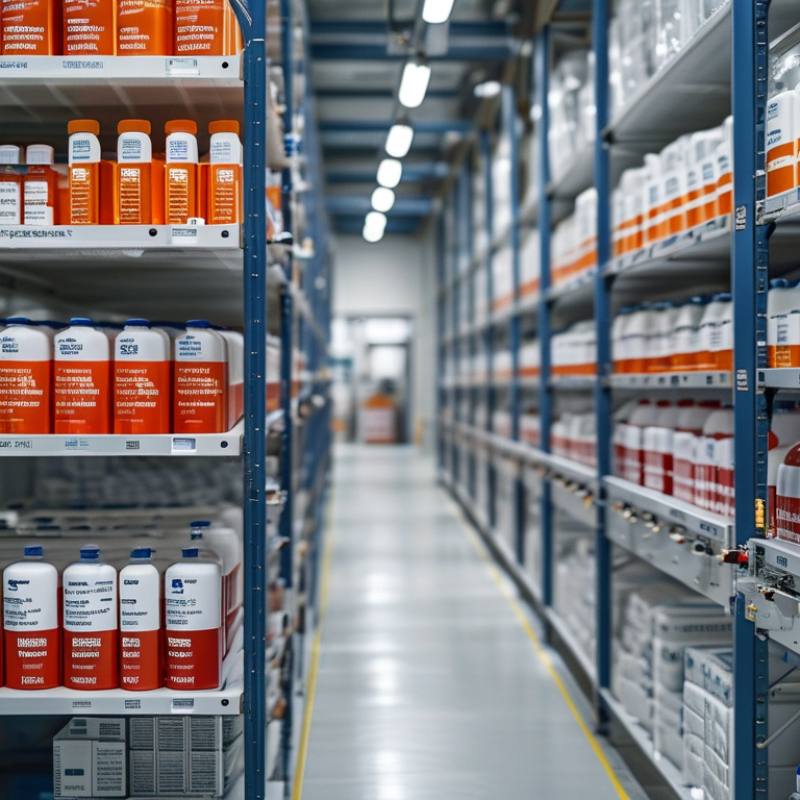
Global paracetamol demand is supported by its broad use in pain and fever treatment. Industry reports from Grand View Research and Fortune Business Insights estimate steady market growth through 2030, although their values differ because coverage and definitions vary. That difference matters. A market figure is not automatically comparable.
Product types shape both demand and supply decisions. Tablets remain the largest format in many retail markets because they are stable, compact, and inexpensive to distribute. Capsules serve users who prefer easier swallowing.
Oral suspensions are important in pediatric care, requiring controlled particle size and accurate dosing. Effervescent tablets dissolve quickly but need moisture-resistant packaging.
Hospitals also purchase sterile intravenous formulations, which require stricter manufacturing controls and validated aseptic processes.
Manufacturers and suppliers are commonly assessed through GMP compliance, pharmacopeial testing, batch traceability, and long-term supply capacity. Buyers should review assay results, impurity profiles, dissolution data, stability records, and certificates of analysis.
The United States Pharmacopeia and European Pharmacopoeia provide widely used quality benchmarks. Supplier location also affects lead times, freight exposure, and backup inventory needs.
According to IQVIA market-measurement principles, reported medicine sales can vary by channel, geography, and dosage form. Therefore, procurement teams should compare like with like. It sounds obvious, yet it is often missed. Product quality remains the practical dividing line.
Leading Paracetamol Manufacturers by Region
Paracetamol production is concentrated in Asia, especially across China and India. These regions supply large volumes of active pharmaceutical ingredient (API) and finished tablets. Grand View Research estimated the global acetaminophen market at more than USD 9 billion in 2023. That scale supports extensive regional manufacturing networks. However, capacity alone does not prove reliability.
Asia remains the main sourcing base for bulk API. Manufacturers typically compete through high-volume reactors, integrated chemical processing, and export logistics. India also has a strong finished-dose sector, supported by domestic demand and regulated export markets. In Europe, suppliers usually emphasize validated processes, pharmacopoeial testing, and traceability. The European Medicines Agency and the European Directorate for the Quality of Medicines provide important quality benchmarks. Documentation matters here.
North American production focuses more on finished formulations, packaging, and supply continuity than low-cost API output. Public procurement data and FDA inspection records can help buyers assess compliance history. Latin America relies on a mix of regional formulation plants and imported API. African markets often depend more heavily on imported finished medicines, although local manufacturing is expanding unevenly. UN Comtrade data shows how pharmaceutical trade flows vary sharply between these regions.
Regional comparisons can mislead. A large factory may still face solvent, energy, or transport constraints. Public data is also incomplete. Buyers should verify GMP certificates, batch-testing results, audit findings, and recent delivery performance before approving a supplier. Availability can change quickly.
Paracetamol supply depends on more than factory capacity. Qualified manufacturers typically sell through pharmaceutical distributors, hospital procurement systems, retail wholesalers, and regulated online pharmacies. The World Health Organization lists paracetamol as an essential medicine, supporting steady institutional demand. However, availability differs by country because registration rules, import permits, and quality testing requirements vary.
UN Comtrade records trade under HS 292429, a broad category that includes several amide compounds, so its figures cannot measure paracetamol precisely. This limitation matters. Buyers should request batch certificates, impurity profiles, stability data, and evidence of Good Manufacturing Practice compliance. IQVIA’s Global Use of Medicines 2024 report projects worldwide medicine spending above 2.3 trillion dollars by 2028, indicating continued pressure on reliable distribution networks. Large-volume buyers often use dual sourcing, regional warehouses, and temperature-monitored transport. Paracetamol is relatively stable, but poor humidity control can still damage packaging and product quality. Cold-chain logistics are usually unnecessary.
Direct contracts suit hospitals and high-volume formulators, while authorized distributors serve smaller pharmacies and regional buyers. Public tenders may reduce costs, yet they can create delays when forecasting is weak. Stockouts are rarely caused by one factory alone. Shipping disruptions, raw-material shortages, currency changes, and sudden demand spikes can all affect delivery. A practical supplier review should compare lead times, minimum order quantities, recall procedures, and traceability. Some market reports appear confident, but their category definitions are not always transparent. That deserves careful scrutiny.
The chart presents commonly marketed paracetamol dosage forms and labeled strengths used across international pharmaceutical supply channels. Tablets and oral liquids are widely distributed through pharmacies, hospitals, wholesalers, retailers, and e-commerce channels, while suppositories are generally supplied through institutional and pharmacy networks. Strengths may vary by country and regulatory authorization.
Choosing reliable paracetamol manufacturers and suppliers requires more than comparing prices. Quality begins with current Good Manufacturing Practice certification and documented quality systems. Facilities should control raw materials, water quality, temperature, and cross-contamination risks. Each production batch needs complete records, validated processes, and a traceable Certificate of Analysis.
Regulatory expectations vary by market, but reputable suppliers usually align products with recognized pharmacopoeial standards, such as USP, BP, or Ph. Eur. Independent testing should confirm identity, assay, dissolution, impurities, and microbial limits where applicable. Stability data also matters. It shows whether the product remains within specification during its stated shelf life. Supplier audits can reveal practical weaknesses that certificates may not show. A certificate alone is not proof. Review its scope, expiry date, issuing authority, and covered site.
Tips: Request recent audit reports, batch documentation, and stability summaries. Check whether the manufacturing address matches regulatory records. Confirm change-control procedures before signing a supply agreement. Ask how deviations, complaints, recalls, and transport temperature excursions are investigated. Clear answers usually reflect mature quality management. Still, no system is perfect. Even experienced suppliers may need stronger documentation or faster communication. Careful verification remains essential.
| Qualification Area | Internationally Recognized Requirement | What a Qualified Paracetamol Supplier Should Demonstrate | Typical Objective Evidence | Buyer Verification Focus |
|---|---|---|---|---|
| Good Manufacturing Practice | Applicable GMP requirements for the intended market, such as WHO GMP, PIC/S GMP, EU GMP, or U.S. cGMP. | Documented control of manufacturing, testing, hygiene, personnel training, deviations, change control, and batch release. | Current GMP certificate, inspection history, site master file, quality manual, and audit responses. | Certificate scope, manufacturing site address, inspection date, product category, and certificate validity. |
| Active Pharmaceutical Ingredient Compliance | ICH Q7 principles for active pharmaceutical ingredients, where applicable to the manufacturing process and regulatory pathway. | Traceable raw materials, validated or verified analytical methods, controlled processing, impurity management, and complete batch records. | API specification, certificate of analysis, validation summaries, impurity profile, stability information, and batch traceability records. | Starting-material controls, residual solvents, elemental impurities, related substances, assay, water content, and microbial limits where relevant. |
| Pharmacopoeial Conformity | Compliance with the pharmacopoeia specified by the purchaser or destination market, such as USP–NF, Ph. Eur., BP, JP, or IP. | A controlled specification aligned with the selected monograph and any additional customer or regulatory requirements. | Current monograph reference, approved specification, method suitability data, and representative batch test results. | Exact pharmacopoeial edition, test methods, acceptance criteria, and documented handling of compendial updates. |
| Regulatory Dossier Support | Regulatory filing support through mechanisms such as a CEP, ASMF, DMF, or country-specific active-substance documentation. | Ability to provide confidential manufacturing, quality, impurity, stability, and process-control information to the relevant authority. | CEP status where applicable, ASMF or DMF reference, open part of the dossier, declarations, and regulatory change notifications. | Applicant authorization, current dossier status, product and site consistency, and timely notification of regulatory changes. |
| Quality Management System | A pharmaceutical quality system incorporating risk management, CAPA, deviation management, complaints, recalls, and management review. | Consistent investigation and prevention of quality failures across production, laboratories, warehousing, and distribution. | CAPA records, deviation and change-control procedures, complaint process, recall procedure, internal-audit schedule, and quality metrics. | Effectiveness checks, overdue CAPA controls, repeat deviations, complaint trends, and escalation procedures. |
| Analytical Testing Capability | Validated or appropriately qualified methods consistent with applicable pharmacopoeial and regulatory expectations. | Reliable testing for identity, assay, related substances, residual solvents, water, physical properties, and other specified attributes. | Method validation or verification reports, instrument qualification, reference-standard records, raw data, and laboratory OOS procedures. | Data integrity controls, audit trails, chromatographic records, laboratory accreditation scope, and independent testing options. |
| Batch Release and Documentation | Each commercial batch should be released against an approved specification and documented quality review. | Consistent lot numbering, complete certificate of analysis, controlled packaging, and retained samples in accordance with the quality agreement. | Signed certificate of analysis, batch manufacturing record review, packaging records, release authorization, and retain-sample procedure. | CoA results versus specification, test dates, authorized signatures, lot traceability, and consistency between documents and labels. |
| Supply Chain and Logistics | Controlled storage and transportation appropriate for the material’s stability profile and packaging configuration. | Protection from moisture, contamination, mix-ups, tampering, and unsuitable transport conditions. | Stability data, packaging specification, storage conditions, shipping qualification, temperature or humidity records where required, and supply-continuity plan. | Transit risk assessment, approved logistics providers, packaging integrity, delivery lead time, safety stock, and alternate-source planning. |
| Additional Certifications | ISO 9001 may support general quality management; ISO 14001 and ISO 45001 address environmental and occupational health and safety systems. | Evidence of broader operational controls beyond pharmaceutical GMP, without treating these standards as substitutes for GMP. | Certificates issued by an accredited certification body, defined scope, certificate number, audit cycle, and expiry date. | Certification scope and validity; confirm that pharmaceutical GMP authorization is separately available where legally required. |
Note: Regulatory requirements vary by destination market, dosage form, and whether the material is supplied as an active pharmaceutical ingredient or as a finished medicinal product. Certifications and regulatory documents should be verified directly with the manufacturing site and the relevant competent authority.
Evaluating paracetamol manufacturers requires more than comparing quoted prices. The World Health Organization’s 2023 Essential Medicines List confirms paracetamol’s continuing clinical importance. That status makes supply reliability and quality systems essential. Ask for current GMP certificates, recent inspection outcomes, and documented corrective actions. A certificate alone is not enough.
Technical review should include batch consistency, impurity controls, stability data, and testing against a recognized pharmacopoeial standard. Request certificates of analysis from several recent lots, not one convenient sample. Check assay, related substances, moisture, particle size, and packaging integrity. Review the laboratory’s accreditation and instrument calibration records. Small details matter. A clean warehouse, clear labels, and traceable batch numbers reveal operational discipline.
Supply performance also deserves hard evidence. The IQVIA Institute’s Global Use of Medicines 2024 report projects worldwide medicine spending could reach 2.3 trillion dollars by 2028, increasing pressure on active-ingredient supply chains. Buyers should examine production capacity, lead-time history, backup utilities, and raw-material sources. Ask how the supplier handled a delayed shipment or failed batch. The answer may be more useful than a sales presentation. I would avoid selecting the lowest bid automatically; hidden costs can appear through retesting, rejected materials, or missed production schedules. Some assessments remain imperfect because suppliers disclose limited data. That uncertainty should be recorded, not quietly ignored.
: Asia supplies much of the global active ingredient volume. China and India have extensive chemical and tablet production. Europe focuses more on validated processes and detailed documentation. North America emphasizes finished formulations and supply continuity. Regional capacity can change quickly.
No. Capacity is not proof. A large plant may face energy, solvent, transport, or raw-material problems. Review recent delivery records and production interruptions. Ask for evidence, not confident promises. This assessment is never perfect.
Request current GMP certificates and recent inspection outcomes. Also review documented corrective actions and audit findings. Ask for certificates of analysis from several recent batches. One convenient sample is not enough. Details matter.
Check assay, related substances, moisture, and particle size. Review stability data and packaging integrity. Confirm testing against a recognized pharmacopoeial standard. Laboratory accreditation and instrument calibration records also matter. Small omissions can become expensive.
Compare results across several recent lots. Look for stable assay values and controlled impurity levels. Check batch numbers, labels, and warehouse conditions. Clear records suggest stronger operational discipline. But appearances can mislead.
Ask about production capacity and historical lead times. Review backup utilities and raw-material sources. Request examples of delayed shipments or failed batches. The response may reveal more than a sales presentation. Not every answer will be complete.
Not automatically. Low prices may hide retesting, rejected materials, or missed schedules. Compare total supply costs, quality controls, and delivery performance. A slightly higher quote may reduce operational risk. Still, price alone cannot prove quality.
Some regions import active ingredients and manufacture finished tablets locally. Others depend heavily on imported finished medicines. Trade patterns vary sharply between regions. Public data can be incomplete or outdated. Record uncertainty instead of quietly ignoring it.
This article provides a practical overview of the global Paracetamol market, including common product types such as tablets, capsules, powders, liquid formulations, and pharmaceutical-grade active ingredients. It examines how manufacturing capabilities and supply networks differ across major regions, while explaining the roles of producers, wholesalers, distributors, and healthcare supply channels in delivering products to regulated markets.
The discussion also highlights the importance of quality standards, manufacturing certifications, documentation, product traceability, and compliance with applicable pharmaceutical regulations. When evaluating Paracetamol manufacturers and suppliers, buyers should consider production capacity, consistency, testing procedures, packaging options, delivery reliability, technical support, pricing transparency, and regulatory experience. Together, these factors help purchasers identify dependable partners and maintain a stable, quality-focused supply chain.
