
Cefazolin Sodium For Injection is a sterile, injectable antibiotic used in hospitals and surgical settings. It belongs to the first-generation cephalosporin class. The U.S. Food and Drug Administration prescribing information lists susceptible infections involving skin, soft tissue, bones, joints, urinary pathways, and the respiratory tract. It also supports selected perioperative prophylaxis. However, treatment depends on the confirmed or suspected bacteria, infection site, kidney function, and local resistance patterns.
Hospital teams often prepare cefazolin as a powder in a single-dose vial. After reconstitution, the solution may appear clear and colorless to slightly yellow. Timing matters. For surgical prophylaxis, clinicians commonly administer the dose before incision, then consider repeat dosing during prolonged procedures. The CDC’s National Healthcare Safety Network reports the continuing importance of preventing surgical-site infections through standardized surveillance and prevention practices. Cefazolin can support that goal when clinicians select it appropriately.
WHO’s GLASS reports emphasize reliable antimicrobial-resistance surveillance and responsible antibiotic use worldwide. The WHO AWaRe framework also encourages careful selection, dosing, and review of antibacterial therapy. These reports do not make cefazolin suitable for every patient. They reinforce a practical point: a familiar antibiotic still requires disciplined judgment. The FDA label warns about allergic reactions, gastrointestinal effects, and dose adjustments for reduced renal function. The label is not the whole story. Local antibiograms, culture results, allergy history, and surgical protocols can change the decision. A small vial may represent a complex clinical calculation. Readers should treat this introduction as orientation, not a substitute for professional prescribing information or specialist assessment.
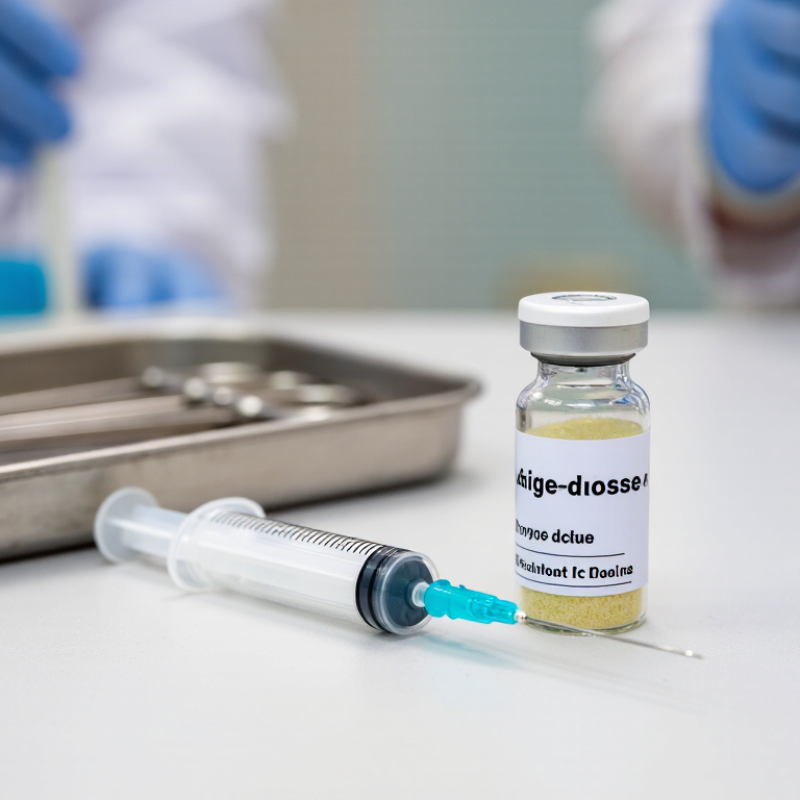
Cefazolin sodium for injection is a prescription antibiotic in the cephalosporin family.
It treats certain infections caused by susceptible bacteria. Doctors may use it for skin, bone, joint, urinary tract, or respiratory infections. It is also commonly given before some surgical procedures to reduce infection risk.
The medicine is administered into a vein or muscle by trained healthcare professionals. It is not a treatment for colds, influenza, or other viral illnesses.
The exact dose depends on the infection, body weight, kidney function, and treatment setting. A clinician may adjust the schedule when kidney clearance is reduced.
Before administration, the healthcare team should review previous reactions to penicillins or cephalosporins.
Serious allergy is uncommon, but it can cause swelling, breathing difficulty, or a widespread rash. Seek urgent medical help if these symptoms appear.
Common effects can include injection-site discomfort, nausea, or diarrhea.
Severe or persistent diarrhea needs medical attention because antibiotic-related colitis is possible.
Cefazolin should be prepared and given according to approved clinical procedures. Patients should not share leftover medication or change the dosing plan themselves.
A practical concern is often overlooked: improving symptoms does not always prove the infection is gone. Follow-up testing or reassessment may still be necessary.
What Is Cefazolin Sodium for Injection?
Cefazolin sodium is an injectable cephalosporin antibiotic used against certain bacterial infections. Healthcare professionals administer it into a vein or muscle, depending on the clinical situation. It is often considered when bacteria may respond to first-generation cephalosporins. Treatment decisions should follow examination findings, laboratory results, and local resistance patterns.
How Cefazolin Sodium Works Against Bacterial Infections
Cefazolin enters the space around susceptible bacterial cells. It attaches to proteins called penicillin-binding proteins. These proteins help build peptidoglycan, a strong layer in the bacterial cell wall. Cefazolin blocks the final cross-linking step. The weakened wall can rupture, especially while bacteria are growing. This makes cefazolin bactericidal rather than merely growth-suppressing.
The effect is not universal. Cefazolin commonly targets many Gram-positive bacteria and some Gram-negative bacteria, but resistance can reduce its usefulness. It does not treat viruses such as influenza or most common colds. That distinction sounds basic, yet it is often overlooked during early symptom-based treatment. Cultures can help identify the organism and guide antibiotic selection, although treatment may begin before results return when infection risk is serious.
Kidney function matters because the medicine leaves the body mainly through the kidneys. Doses may require adjustment in people with reduced renal function. Clinicians also check for previous serious reactions to beta-lactam antibiotics. Pain at the injection site, diarrhea, or rash may occur, while severe allergic symptoms require urgent medical attention. Antibiotic choice is rarely perfect at the first attempt. Reassessment remains important.
Cefazolin sodium is an injectable first-generation cephalosporin antibiotic. It works by binding to penicillin-binding proteins and blocking the transpeptidation step required to build bacterial peptidoglycan cell walls. This weakens the wall and can cause susceptible bacteria to rupture during growth.
Pharmacokinetic context: Approximate peak serum concentrations reported after single cefazolin doses are shown below. Higher serum exposure can help maintain concentrations above the minimum inhibitory concentration for susceptible bacteria, but treatment selection and dosing depend on the infection, organism, kidney function, and clinical guidance.
Cefazolin sodium is a cephalosporin antibiotic given by intravenous or intramuscular injection. It targets susceptible bacteria, especially methicillin-sensitive Staphylococcus aureus and many Streptococcus species. Clinicians may use it for skin and soft-tissue infections, bone and joint infections, certain urinary tract infections, and some bloodstream or respiratory infections. The exact use depends on test results, infection severity, kidney function, and local resistance patterns.
It is also commonly selected before certain surgeries to reduce the risk of bacterial infection. However, it does not treat viruses, and it is not reliable against MRSA, enterococci, or atypical organisms. A sore wound may look bacterial, but appearance alone is not enough. Culture testing can clarify the cause when symptoms are severe, unusual, or slow to improve. Dosage and timing require professional judgment, particularly in children, older adults, and people with kidney disease.
Tips: Tell the healthcare team about previous reactions to penicillins or cephalosporins. Watch for rash, breathing difficulty, severe diarrhea, or worsening pain after treatment. Seek urgent medical help for serious allergic symptoms. Do not save leftover injections or change treatment without clinical advice. Completing treatment may be harder than expected, so ask how follow-up will be handled.
Cefazolin sodium for injection is administered by intravenous or deep intramuscular injection. Intravenous doses may be given slowly over three to five minutes, or by infusion over about 30 minutes. The FDA prescribing information commonly lists 1–2 g every eight hours for adults. More serious infections may require 1.5–2 g every six hours, based on clinical judgment and infection severity.
For surgical prophylaxis, the ASHP clinical practice guideline recommends 2 g before incision. Patients weighing at least 120 kg may receive 3 g. A repeat dose is generally considered after four hours during lengthy procedures or major blood loss. Pediatric dosing usually ranges from 25–50 mg/kg daily, divided into three or four doses. Severe infections may require up to 100 mg/kg daily, within approved limits. Neonates need separate age and weight calculations.
Kidney function changes the plan. The FDA label advises dose or interval adjustment when renal clearance is reduced, so creatinine clearance should be reviewed before repeated administration. Local resistance data also matter. A hospital antibiogram can challenge an apparently reasonable choice. Allergy history deserves equal attention, especially when previous reactions involved breathing difficulty or shock. These details are easy to compress into a dosing chart, but real patients rarely fit neatly inside one.
What Is Cefazolin Sodium for Injection?
Cefazolin sodium is an injectable cephalosporin antibiotic used for certain bacterial infections and surgical infection prevention. It does not treat colds, influenza, or other viral illnesses. A qualified healthcare professional usually gives it intravenously or into a muscle. The dose and schedule depend on the infection, body weight, kidney function, and treatment setting.
What Safety Precautions and Side Effects Should Be Considered?
Tell the prescriber about allergies to cephalosporins, penicillins, or other antibiotics. A previous mild rash still matters. Severe allergy can cause swelling, wheezing, dizziness, or trouble breathing. Seek emergency help if these symptoms appear. Common effects include injection-site pain, nausea, vomiting, diarrhea, and skin rash. Watery or bloody diarrhea may signal a serious intestinal infection, even after treatment ends. Report it promptly.
People with kidney disease may need adjusted doses and closer monitoring. Mention pregnancy, breastfeeding, and all current medicines. Rarely, neurological changes or seizures may occur, especially when doses accumulate. That possibility is easy to overlook. Never change the dose or stop treatment without medical advice.
Tips: Keep an accurate allergy list. Follow the clinic’s schedule carefully. Watch the injection site for increasing redness, warmth, or swelling. If symptoms worsen instead of improving, contact a healthcare professional rather than waiting.
It is a prescription antibiotic for certain bacterial infections. It may treat skin, bone, joint, urinary, or respiratory infections.
No. Cefazolin does not treat viral illnesses. A runny nose is not enough evidence of bacterial infection.
Trained healthcare professionals give it into a vein or muscle. Do not inject it yourself.
Yes, clinicians may give it before selected procedures. The timing helps reduce infection risk around surgery.
The dose depends on the infection, body weight, kidney function, and treatment setting. Reduced kidney function may require schedule changes.
The healthcare team must review previous penicillin or cephalosporin reactions. Serious allergy is uncommon, but caution matters.
Injection discomfort, nausea, or diarrhea can occur. Severe or persistent diarrhea needs medical attention.
Seek help for facial swelling, breathing difficulty, widespread rash, or worsening symptoms. Do not wait.
No. Symptoms may improve before the infection fully clears. Follow-up testing or reassessment might still be needed.
No. Do not save leftover injections or share them with others. Changing treatment without clinical advice may backfire.
Cefazolin Sodium For Injection is a first-generation cephalosporin antibiotic used to prevent or treat certain bacterial infections. It works by interfering with the formation of bacterial cell walls, which weakens and destroys susceptible bacteria. This medication may be prescribed for infections involving the skin, soft tissues, bones, joints, urinary tract, respiratory system, or bloodstream, as well as for surgical infection prevention when clinically appropriate. It is not effective against viral illnesses such as colds or influenza.
Cefazolin Sodium For Injection is administered by a healthcare professional through an intravenous or intramuscular injection. The dose and treatment duration depend on the infection, its severity, the patient’s age and weight, kidney function, and the medical procedure involved. Patients should tell their healthcare provider about allergies to cephalosporins or penicillin-type antibiotics and any history of kidney disease. Possible side effects include injection-site discomfort, nausea, diarrhea, rash, or allergic reactions. Severe or persistent symptoms require prompt medical attention.
