1 / 2

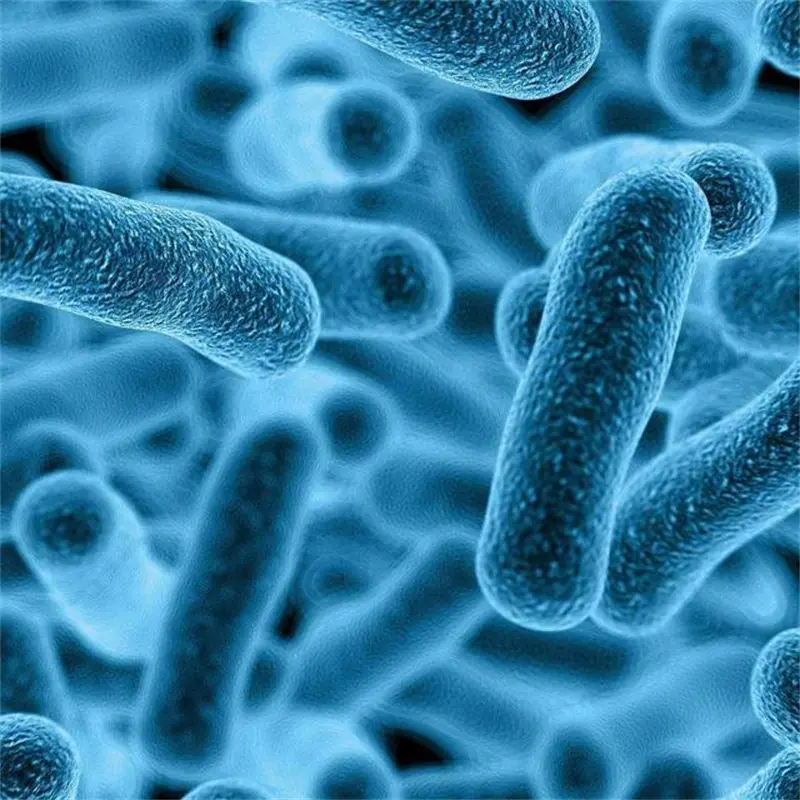
Produce lactic acid to regulate intestinal pH, inhibiting the overgrowth of harmful bacteria such as Clostridium and Escherichia coli; secrete enzymes that aid in the breakdown of proteins and lactose, improving nutrient absorption and reducing digestive discomfort like bloating or indigestion.
Stimulate the activity of immune cells in the gut mucosa, such as macrophages and lymphocytes, boosting the body's defense against pathogens; promote the production of anti-inflammatory cytokines, helping to balance the immune response and reduce chronic low-grade inflammation.
Produce bioactive peptides, including those with potential anxiolytic or stress-reducing properties, which may influence neurotransmitter regulation via the gut-brain axis; support a healthy gut environment, which is increasingly linked to improved mood and reduced symptoms of stress-related disorders.
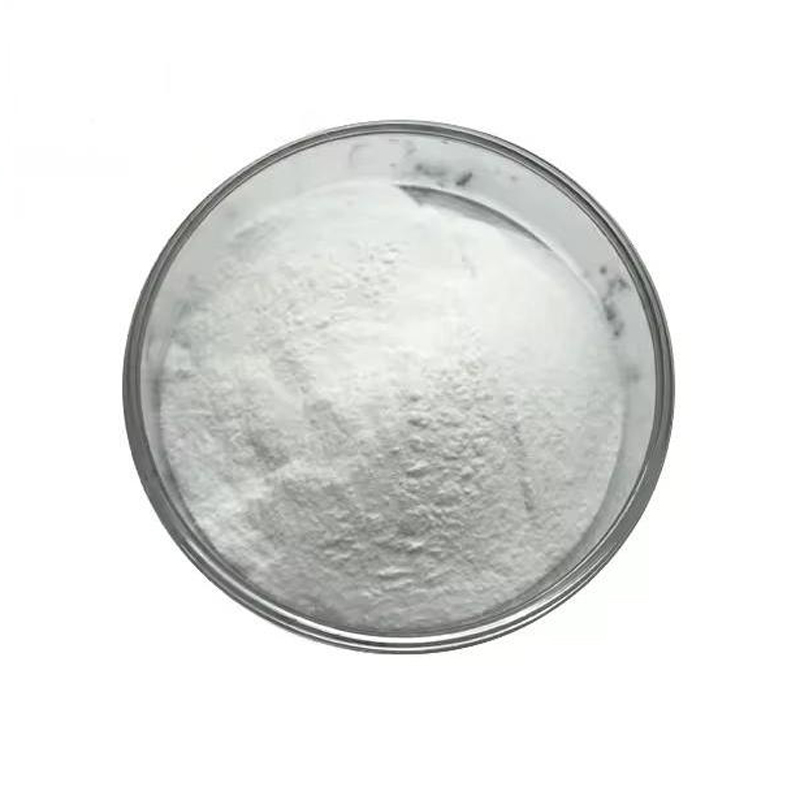
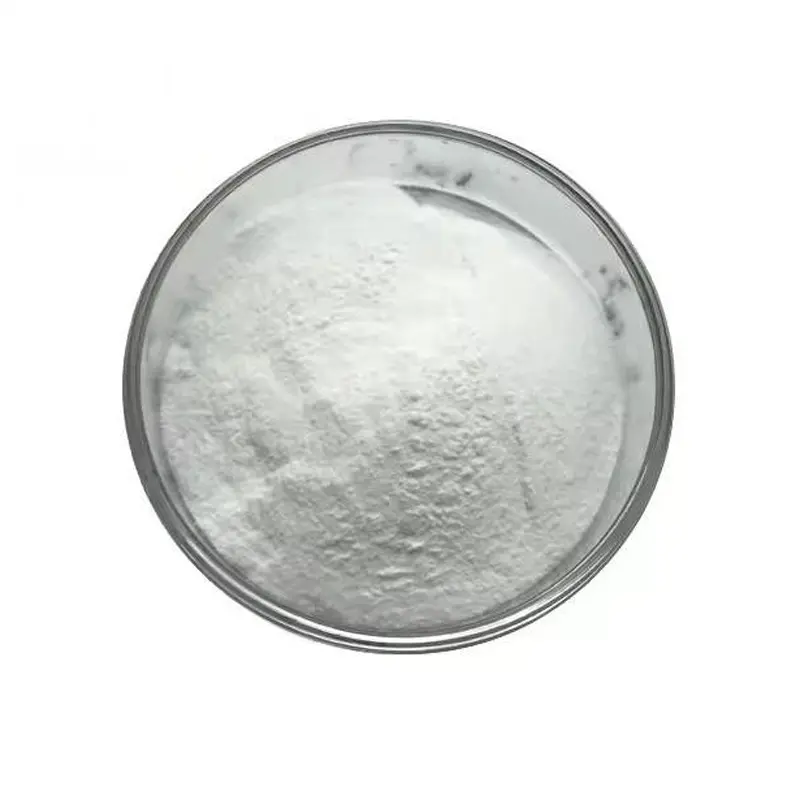
Used as a key ingredient in powdered probiotic supplements, available in sachets or bulk form for mixing with beverages or food, targeting digestive health, immune support, or stress management; often combined with prebiotics like inulin to enhance bacterial survival and colonization in the gut.
Added to cheese-making processes, such as Swiss or Emmental cheese, to accelerate ripening, develop characteristic flavors, and improve texture; incorporated into yogurt, kefir, and fermented milk drinks to boost probiotic content and enhance product stability during shelf life.
Integrated into functional snacks like protein bars, cereal mixes, and probiotic-enriched cookies to add nutritional value and health benefits; used in functional drinks such as smoothies, plant-based milks, and herbal infusions to deliver probiotics in a convenient, on-the-go format.
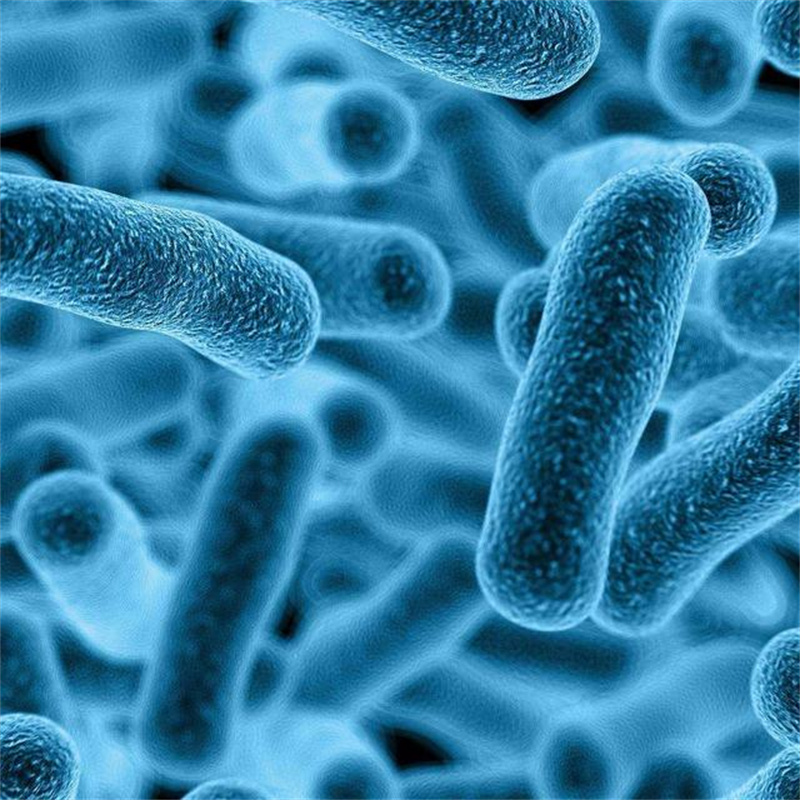
It produces lactic acid to lower intestinal pH, which prevents the overgrowth of harmful bacteria like E. coli. Additionally, it secretes digestive enzymes that assist in breaking down proteins and lactose for better nutrient absorption.
Yes, it stimulates key immune cells (macrophages and lymphocytes) in the gut mucosa to fight pathogens and promotes anti-inflammatory cytokines to help manage chronic inflammation.
It produces bioactive peptides that have potential stress-reducing properties, helping to balance neurotransmitters and support overall mood and mental well-being.
It is commonly added to cheese-making processes (such as Swiss and Emmental) to accelerate ripening, enhance flavor development, and improve overall texture.
Absolutely. It can be easily integrated into functional snacks like protein bars, cereals, cookies, smoothies, and plant-based milks for convenient nutritional value.
Combining it with prebiotics like inulin helps feed the beneficial bacteria, significantly increasing their survival rate and successful colonization in the human gut.