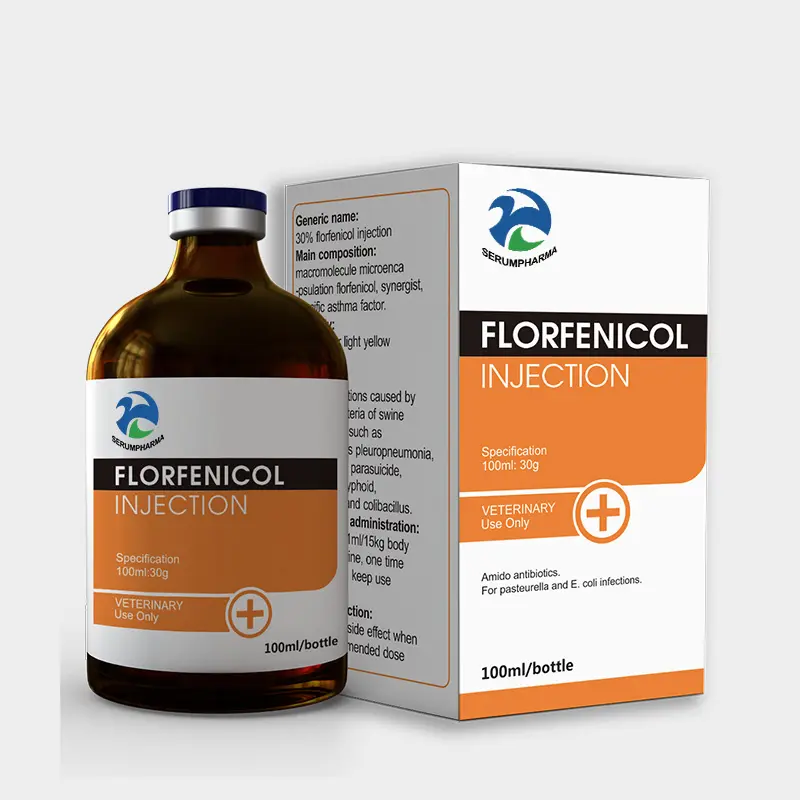
Wholesale Reliable Florfenicol Liquid Injection for Ruminant Animal Infection Treatment Service, Products

Product Description

Indications & Clinical Applications

This product is a highly effective antimicrobial suitable for various animals, providing robust protection for both livestock and poultry.

  • Swine: Effective against Swine asthma, atrophic rhinitis, actinomyces pleuropneumonia, swine plague, streptococcicosis, typhia, paratyphoid, and colibacillosis.
  • Cattle and Sheep: Targets Pasterella, respiratory tract infections (hemophilus, mycoplasma), infectious pleuropneumonia, streptococcicosis, infectious keratitis, and various types of mastitis.
  • Poultry: Treats diarrhea and respiratory tract infections caused by sensitive bacteria.
Dosage and Usage

Administration: Intramuscular injection

Cattle, Sheep, and Swine: 0.03 ml per 1kg of body weight.

Poultry, Small Animals (Cat, Rabbit, Dog): 0.03 - 0.06 ml per 1kg of body weight.

Frequency: Once every 48 hours. Recommended continuous treatment: 2 times.

Important Precautions
  • Not recommended for breeding or pregnant cattle due to potential fetal toxicity.
  • Do not administer orally or inject alongside alkali drugs.
  • Avoid intravascular injection with other antibiotics or multiple Vitamin B.
  • This drug has immunosuppressive functions; do not administer during vaccine immune activation periods.
  • Reduce dosage or prolong intervals for animals with impaired hepatic function.
Withdrawal Period (Swine)
14 Days
Withdrawal Period (Chicken)
28 Days
Specification
30%
Frequently Asked Questions
1. What are the primary indications for this 30% specification injection? It is a broad-spectrum antibiotic used to treat respiratory infections, diarrhea, and inflammatory conditions like mastitis in swine, cattle, sheep, and poultry.
2. Can this product be used in pregnant livestock? No, it is specifically advised not to use this medication in breeding or pregnant cattle as it may cause fetal toxicity.
3. What is the recommended treatment schedule for poultry? The dosage is 0.03 - 0.06 ml per kg, administered once every 48 hours for a total of two consecutive treatments.
4. Are there any known drug interactions to avoid? Yes, do not mix or administer with alkali drugs, other antibiotics via intravascular injection, or multiple Vitamin B supplements.
5. How does the drug affect the animal's immune system? The drug has immunosuppressive functions, meaning it should not be given while a vaccine is actively stimulating the animal's immune system.
6. What is the safety protocol for animals with liver issues? For animals with impaired hepatic function, the dosage should be carefully reduced or the time interval between doses should be extended.

Related Products