Explore our highly requested commercial APIs, formulations, and high-purity natural extracts trusted by global buyers.
Human Immunoglobulin for Intravenous Injection (pH4), commonly referred to as IVIG (pH4), is an indispensable therapeutic agent containing highly purified polyclonal immunoglobulin G (IgG). Sourced from large pools of human plasma, it is used widely in treating primary immunodeficiencies, secondary immunodeficiencies, autoimmune disorders, and acute inflammatory states.
For international procurers, sourcing IVIG involves navigation through complex supply dynamics. Unlike synthetic pharmaceuticals, biological products depend entirely on plasma donation yields, making stability of supply a major commercial concern. Global sourcing managers prioritize raw plasma traceability, viral inactivation protocols, pH stability (specifically the maintenance of pH 4.0 during processing to prevent immunoglobulin dimerization), and strict adherence to cold chain logistics.
As a leading biological product exporter from China with nearly a decade of excellence, we specialize in high-caliber pharmaceutical and nutritional ingredients. We serve as a critical bridge between state-of-the-art biological manufacturing facilities and global healthcare systems.
Our commitment goes beyond simple trade; we integrate regulatory documentation support, clinical-phase audit consultation, and high-performance logistics. We provide our global partners with fully validated biological supplies, including vaccines, raw materials, intermediates, and high-purity western medicines.
Read Corporate ProfileHow advanced fractionation, stabilization, and purification technologies shape the future of IVIG supply.
Formulating Human Immunoglobulin at pH 4.0 prevents aggregate formation and ensures superior stability during long-term storage. This technological route requires precise, sterile formulation control using high-purity stabilizers like maltose, glycine, or sorbitol.
To assure clinical safety, our manufacturing partners employ orthogonal viral elimination steps. This includes cold ethanol precipitation, low pH incubation at elevated temperatures, and nanofiltration designed to eliminate both enveloped and non-enveloped viral agents.
Biological compliance is non-negotiable. Our partners maintain strict adherence to WHO standards, European Pharmacopoeia (EP), and United States Pharmacopeia (USP) requirements, supported by comprehensive Dossier documentation (CTD format) for domestic registrations.
Enhancing product performance through advanced formulation techniques and customized processing methodologies.

Homogeneous custom blend services ensuring uniform dosage distribution for complex nutritional and drug formulations.
Read More →
Modifying crystalline structures to optimize the solubility, bioavailability, and physical stability of active ingredients.
Read More →
Harnessing bio-engineering pathways to produce pure, high-potency nutritional compounds and medical intermediates.
Read More →Stay updated with key breakthroughs, clinical molecule evaluations, and global supply trends.
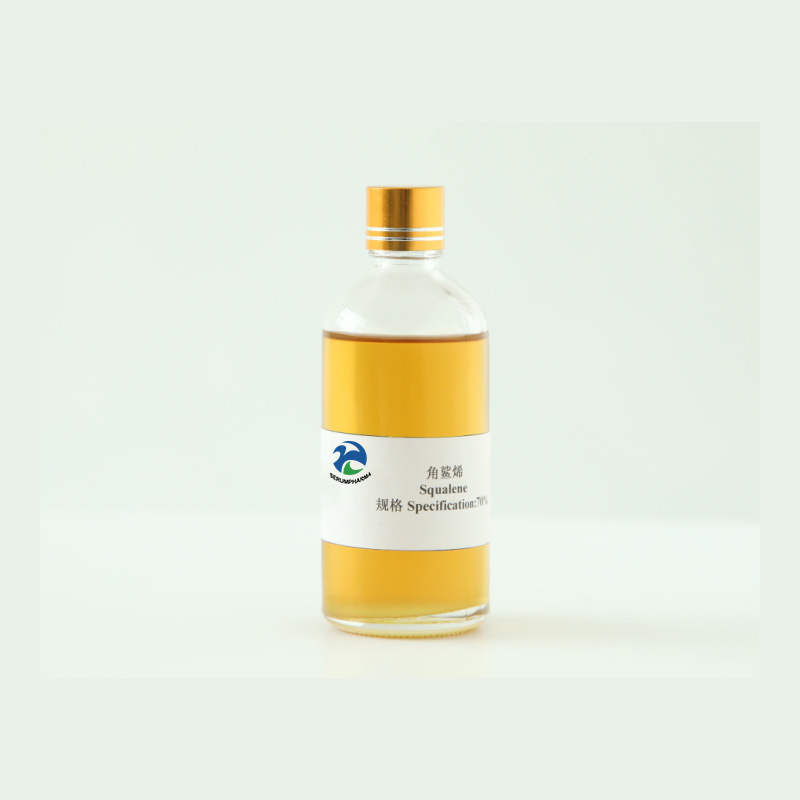
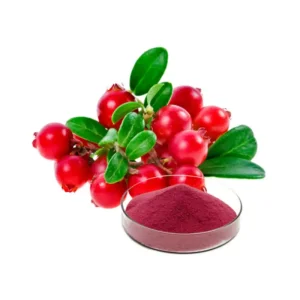
A comprehensive analysis of sustainability trends, extraction technologies, and global demand profiles in cosmetic and vaccine adjuvant sectors...
Learn More
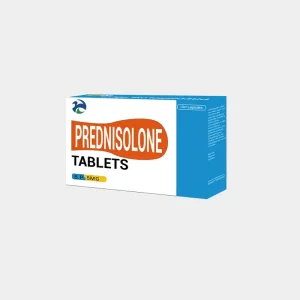
Exploring the therapeutic importance of this corticosteroid API in anti-inflammatory treatments and global pandemic recovery strategies...
Learn More
Detailing the rapid 50-day FDA approval process for Eli Lilly's Foundayo™ (orforglipron) oral GLP1 molecule and its impact on peptide therapeutics...
Learn MoreAddressing key regulatory, chemical, and supply chain queries from international procurers.
The designation of "pH4" means the final formulation of the immunoglobulin solution is adjusted and buffered to an acidic pH of 3.8 to 4.4 (nominally 4.0). This specific pH level is crucial for preventing the self-aggregation of IgG molecules into dimers or polymers. High monomer content ensures optimal therapeutic efficacy and significantly lowers the risk of complement activation, which can trigger adverse reactions during intravenous infusion.
Viral safety is maintained through a robust multi-tiered safety model. This includes donor screening, screening of individual plasma donations, and pooling processes, followed by validated step-wise inactivation processes such as solvent-detergent (S/D) treatment, low pH incubation, and nanofiltration. These processes target both lipid-enveloped and non-enveloped viruses, conforming with WHO and FDA pharmacopeia guidelines.
IVIG pH4 is a temperature-sensitive biological product. It must be stored and transported under strictly monitored cold-chain conditions (typically 2°C to 8°C). Exposure to freezing temperatures or temperatures exceeding recommended limits can denature the protein structure. Real-time temperature loggers are utilized throughout the shipping route to confirm compliance upon delivery.
Yes. We support global clients with complete registration dossier packages, including Certificates of Analysis (COA), GMP compliance declarations, manufacturing process descriptions, and stability reports to ensure seamless regulatory review in destination countries.
Discover additional pharmaceutical dosage forms, vaccines, high-potency intermediates, and dietary supplements.