

Strategic Analysis: The Medical Device Landscape in Indonesia (2024-2030)
1. Indonesia's Healthcare Revolution: A Macro Perspective
As the fourth most populous nation globally, Indonesia is currently undergoing a radical transformation of its healthcare infrastructure. Under the leadership of the Ministry of Health (Kemenkes) and the "Indonesia Gold 2045" vision, the archipelago is prioritizing the expansion of its Universal Health Coverage (Jaminan Kesehatan Nasional - JKN). This initiative has created an unprecedented demand for high-quality medical devices, diagnostic tools, and pharmaceutical raw materials. The Indonesian medical device market is projected to grow at a CAGR of 9.6% through 2028, fueled by hospital expansions in Tier-2 and Tier-3 cities outside of Java.
2. Global Procurement Trends & Local Challenges
International procurement for the Indonesian market is no longer just about price competition; it is about Value-Based Procurement. Global healthcare entities are increasingly seeking suppliers who can provide long-term stability, technical support, and, most importantly, compliance with local regulations. Indonesia’s reliance on imported medical devices (currently around 60-70%) presents a massive opportunity for global manufacturers who can navigate the complexities of BPOM (National Agency of Drug and Food Control) registrations and Halal certification requirements.
Global Procurement Needs
Streamlined supply chains with IoT-enabled tracking and cold-chain logistics for sensitive biological products.
Compliance Assurance
Strict adherence to AKL/AKD distribution permits issued by the Indonesian Ministry of Health.
Technical Roadmaps
Integration of AI-driven diagnostics and portable point-of-care testing (POCT) for remote island access.
3. Localization Support & Compliance: The BPOM Gateway
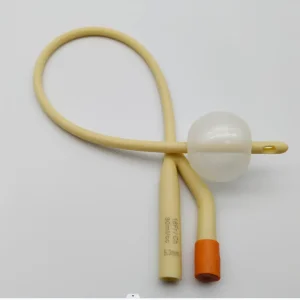
To successfully serve the Indonesia market, suppliers must master the regulatory framework. The Indonesian Omnibus Law has simplified some business processes, yet medical device classification (Class A, B, C, D) remains rigorous. Products like our Triple Lumen Foley Catheters and Ceftriaxone Sodium for Injection require detailed technical dossiers, stability data, and ISO 13485 certification. Furthermore, with the mandatory Halal Product Assurance Law, nutritional ingredients and certain pharmaceuticals must undergo rigorous audits to ensure suitability for the majority-Muslim population.
4. Technology Roadmap: The Future of Medical Devices
We are moving toward a Smart Healthcare Ecosystem in Indonesia. The next five years will see a shift from basic consumables to "connected" medical devices.
- Telemedicine Integration: Devices that sync with Indonesia's "SATUSEHAT" health data platform.
- Bio-Fermentation Advancements: Utilizing high-purity natural extracts like Astaxanthin for preventive medicine.
- Local Assembly (TKDN): Moving toward semi-knocked-down (SKD) kits to comply with local investment incentives.