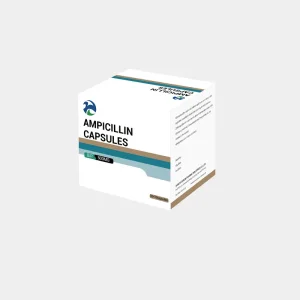
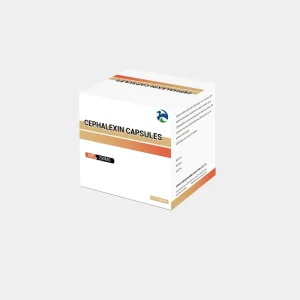
[Drug name]
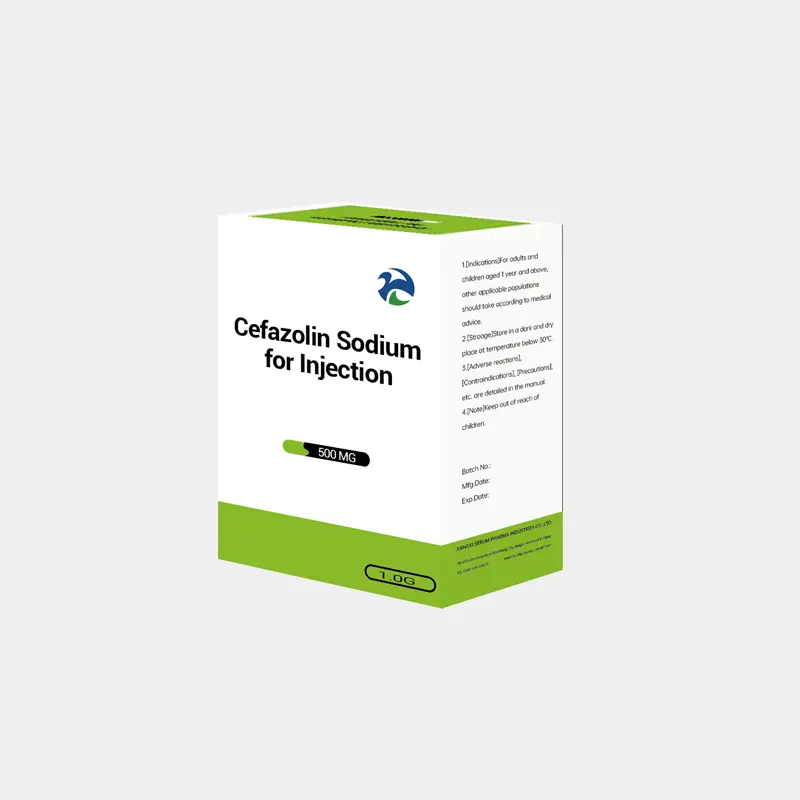
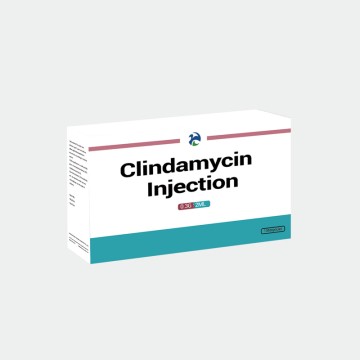
General name: Cefazolin sodium for injection
Trade name: Cefazolin sodium for injection
English name: Cefazolin Sodium for Injection
[Composition and traits]
Main ingredients: The main ingredient of this product is cefazolin sodium.
Character: This product is white or like white powder or crystalline powder, odorless.
[indication]
For the treatment of bronchitis, respiratory tract infections, urinary tract infections, skin and soft tissue infection caused by sensitive bacteria; it is also used as preventive medication before surgical operation. This product is not suitable for central nervous system infection; For chronic urinary tract infections, especially for patients with urinary tract anatomical abnormalities; not for gonorrhea and syphilis.
[Specifications and Packaging]
Single-dose specification: 500MG
Packaging specification: 1 + 1 piece
[usage and dosage]
1. It can be slowly injected intravenously, intravenously or intramuscular.
(1) Intravenous injection: slow intravenous injection in 3-5 minutes.
(2) Intravenous infusion: dissolve with appropriate injection water, and then dilute with 100ml of sodium chloride or glucose injection.
(3) intramuscular injection: before use, add water for injection or sodium chloride injection before use. It can also be dissolved in 2-3ml of 5% lidocaine hydrochloride injection.
2. Dosage
(1) Adult dose: 0.5-1g once, 2-4 times a day, severe infection can be increased to 6g a day, and given 2-4 times IV.
(2) Dose for children: 50-100mg / kg per day, 2-3 times of slow intravenous infusion, intravenous infusion or intramuscular injection.
[untoward effect]
1. Skin and subcutaneous tissues: rash, pruritus, hyperhidrosis, flushing, angioedema, allergic purpura, urticaria, erythema multiforme, exfoliative dermatitis, Stevenson-Johnson-Johnson (Stevens-Johnson) syndrome, toxic epidermal necrolysis, acute generalized pustular skin disease.
2. Digestive system: oral candidiasis, dry mouth, bitter mouth, oral ulcer, nausea, vomiting, stomach cramps, abdominal pain, abdominal distension, diarrhea, constipation, hepatitis, jaundice, anorexia, and pseudomembranous colitis.
3. Systemic and administration site reactions: drug fever, chest discomfort, fatigue, rare thrombophlebitis arising from intravenous injection, rash, itching and swelling at the injection site.
4. Immune system: hypersensitivity reaction, anaphylactic shock.
[taboo]
1. Cefazolin allergy is prohibited.
2. People who are allergic to other cephalosporin drugs are prohibited.
3. Patients with a history of severe allergy to penicillin or other β -lactams are not allowed.
[matters need attention]
1. Cross allergic reaction: Patients allergic to one cephalosporin or penicillin (cephamycin) may also be allergic to other cephalosporins or penicillin; patients allergic to penicillin, penicillin derivatives or penicillamine may also be allergic to cephalosporin or penicillin.
2. Patients must be asked about their prior allergy to cefazolin, other cephalosporins, penicillin, or other drugs.
3. Interference with diagnosis: 1% of patients with cefazolin may have positive direct or indirect antiglobulin Coombs test and false positive urine sugar (copper sulfate method).
4. Patients with low urine volume caused by impaired renal function or renal insufficiency should use this product with caution, and the amount must be reduced when applied.
5. Patients with liver impairment, renal impairment or malnutrition, patients with a longer course of treatment and patients with previous stable anticoagulant therapy may be at risk of cefazolin-related prothrombin activity.
6. Like all cephalosporins, this product should be used with caution in patients with gastrointestinal diseases, especially those with a history of colitis.
[condition of storage]
Keep sealed below 25℃.
[term of validity]
24 Months