1 / 1

Sensitivity reactions are more likely to occur in individuals who have previously demonstrated hypersensitivity to penicillins and in those with a history of allergy, asthma, hay fever, or urticaria. The hypersensitivity reactions are Erythematous maculopapular rashes, urticaria, fever, and joint pains. Anaphylactic shock may occur.
Hepatic: A moderate rise in AST has been noted, but the significance of this finding is unknown.
Haematologic: Reactions such as anaemia, thrombocytopenia, thrombocytopenic purpura, eosinophilia, leucopenia, and agranulocytosis have been reported during therapy. These reactions are usually reversible upon discontinuation of therapy.
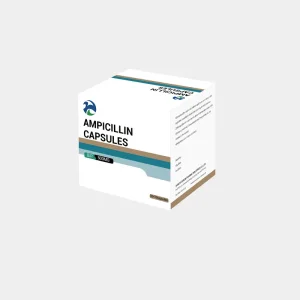
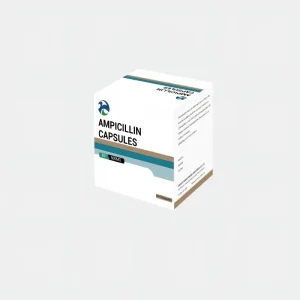
Amoxicillin is used to treat bacterial infections caused by penicillin-sensitive Gram-positive bacteria, including bronchitis, otitis media, bacterial pharyngitis, bacterial pneumonia, sinusitis, and urinary tract infections.
It is contraindicated for individuals with a known history of allergic reactions to penicillins, as well as patients who have previously experienced hepatic dysfunction or jaundice associated with amoxicillin use.
Pregnant women should only use it if clearly necessary, as human studies are limited. Because amoxicillin is excreted in breast milk in small amounts, it may cause allergies in nursing infants; consultation with a healthcare provider is advised.
Dosages below 250mg/kg generally do not cause severe symptoms. If symptoms such as oliguria or renal insufficiency occur, they are typically reversible upon stopping the medication. Contact a healthcare professional immediately in case of overdose.
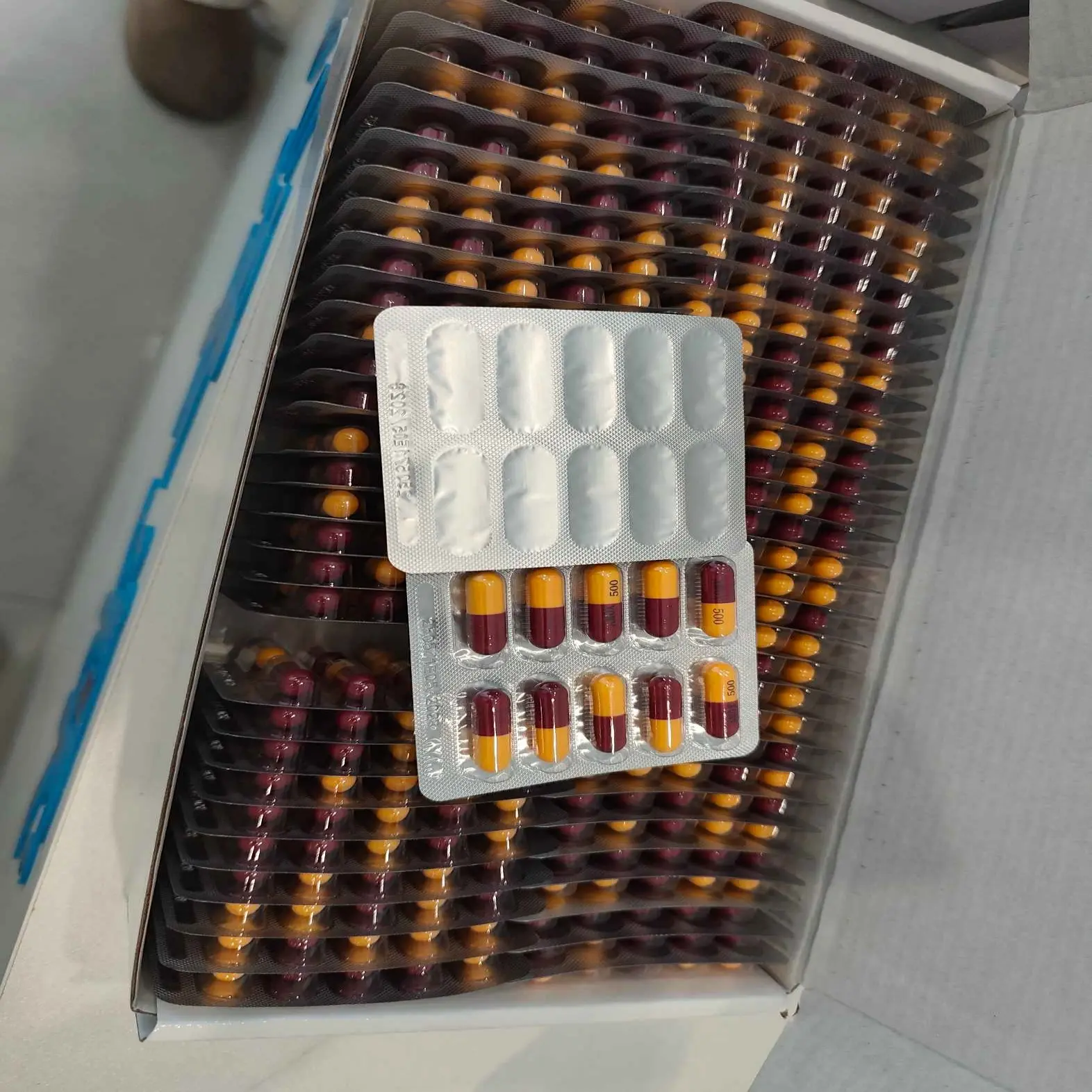
The capsules should be stored in a dry place below 25°C, protected from moisture, and kept safely out of reach of children.
Yes, amoxicillin should not be used alongside vitamin C or sodium bicarbonate. Additionally, drugs like Chloromycetin, macrolides, sulfa, and tetracycline can interfere with its antibacterial activity, while benemid may increase its concentration in the blood.