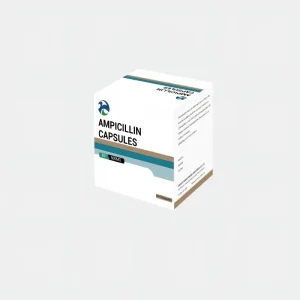
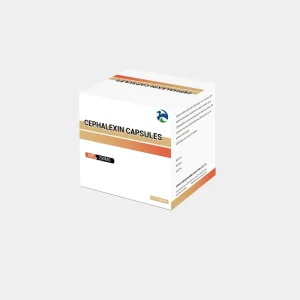
High-Quality Amoxicillin Capsule 500mg of Antibiotics with GMP Supplier, Service

[Drug name]
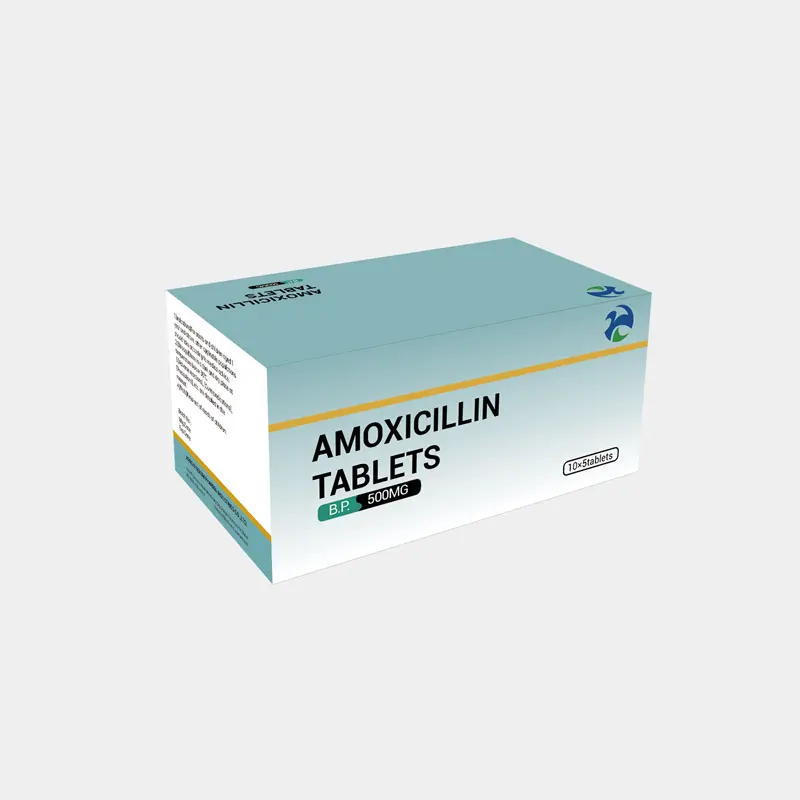
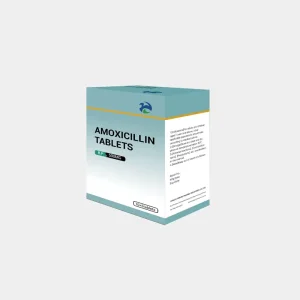
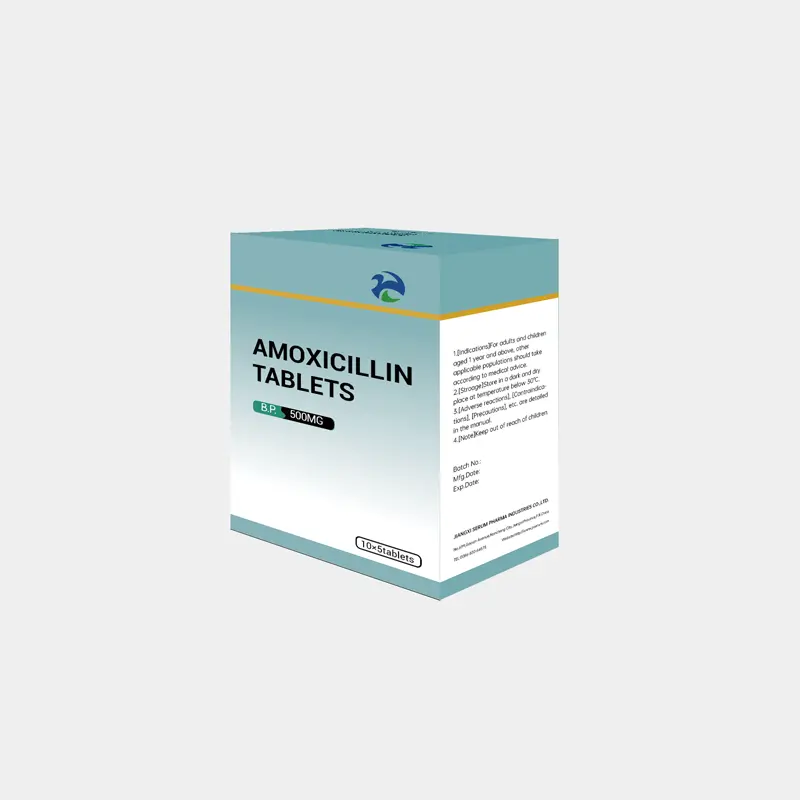
Common name: amoxicillin tablets
Trade name: amoxicillin tablets
English name: Amoxicillin Tablets

[Composition and traits]
Main ingredient: The main ingredient of this product is amoxicillin.
Character: this product is white or white or film, remove white or white.

[indication]
For upper and lower respiratory tract infection, urogenital tract infection, skin and soft tissue infection, acute simple gonorrhea, etc. This product can still be used to treat typhoid fever and leptospirosis; amoxicillin can also be combined with clarithromycin and lansoprazole to eradicate gastric and duodenal Helicobacter pylori and reduce the recurrence rate of gastrointestinal ulcer.

[Specifications and Packaging]
Single-dose specification: 500MG
Packaging specification: 10*5 tablets

[usage and dosage]
Take it orally:1. Adults with 500mg once every 6-8 hours, with a daily dose not exceeding 4g.
2. The daily dose of children is 20-40mg / kg once every 8 hours.

[untoward effect]
1 Common adverse drug reactions are diarrhea, nausea and rash, rare urticaria and pruritus.
2. Occasionally central nervous system symptoms such as excitement, anxiety, insomnia, dizziness and behavioral abnormalities.

[taboo]
1. Patients with penicillin allergy and positive penicillin skin test are not allowed.
2. Other β -lactam agents (such as cephalosporins, carbapenems, single-ring β -lactam) with severe rapid hypersensitivity reactions (such as anaphylactam) are prohibited.

[matters need attention]
1. Penicillin sodium skin test must be done before use, and positive reactions should not be allowed.
2. Patients with infectious mononucleosis are prone to skin rash and should be avoided.
3. Patients with longer treatment courses should be checked for liver and kidney function and blood routine.
4 Amoxicillin can cause a false positive urine glucose test with Benedict or Fehling reagents.

[condition of storage]
Keep sealed below 25℃.

[term of validity]
24 Months
Product Description

Related Pharmaceutical Products
Cefazolin sodium for injection
Diclofenac Sodium Tablets
Diclofenac Sodium Tablets with GMP/BP/USP
Ceftazidime For Injection
Artemether Injection
Artemether Injection with GMP/BP/USP
Enoxaparin Sodium Injection
Enoxaparin Sodium Injection with GMP/BP/USP
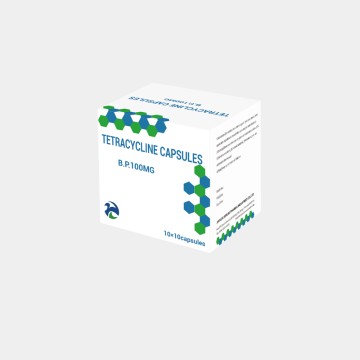
Tetracycline Capsule
Tetracycline Capsule with GMP/BP/USP
Quality Standard: All products adhere to international GMP, BP, and USP pharmacopeia standards to ensure safety and efficacy.
Diverse Range: Our portfolio covers injections, tablets, and capsules for various therapeutic areas including antibiotics and anti-inflammatories.
Frequently Asked Questions
1. What do GMP, BP, and USP standards represent?
These are international quality standards. GMP (Good Manufacturing Practice) ensures consistent production quality, while BP (British Pharmacopoeia) and USP (United States Pharmacopeia) define the specific purity and strength requirements for the medicines.
2. What are the common uses for Cefazolin Sodium for Injection?
Cefazolin Sodium is a cephalosporin antibiotic used to treat various bacterial infections, including those of the skin, bone, joints, and urinary tract. It is also commonly used for surgical prophylaxis.
3. How should injectable medications like Enoxaparin be stored?
Most injectable medications should be stored in a cool, dry place away from direct sunlight. Some may require specific temperature controls as indicated on the product packaging to maintain stability.
4. Can Diclofenac Sodium be used for chronic pain?
Diclofenac Sodium is a nonsteroidal anti-inflammatory drug (NSAID) used to relieve pain, swelling, and joint stiffness caused by arthritis and other inflammatory conditions.
5. Is Tetracycline effective against all types of bacteria?
Tetracycline is a broad-spectrum antibiotic effective against a wide range of bacteria. However, it should only be used for infections proven or strongly suspected to be caused by susceptible bacteria to prevent antibiotic resistance.
6. What is the administration method for Artemether Injection?
Artemether Injection is typically administered via intramuscular injection for the treatment of severe malaria, following precise clinical guidelines for dosage based on patient weight and severity.

Related Products