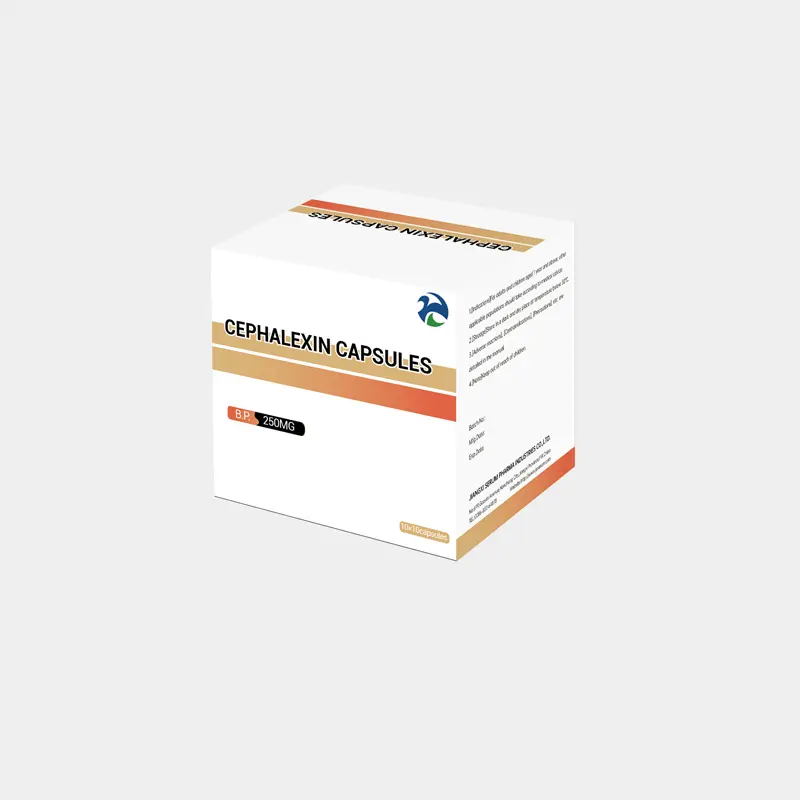
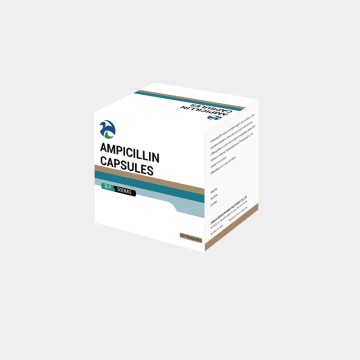
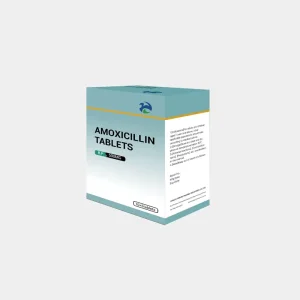
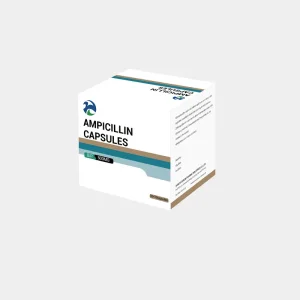
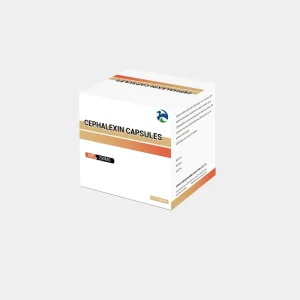
[Drug name]
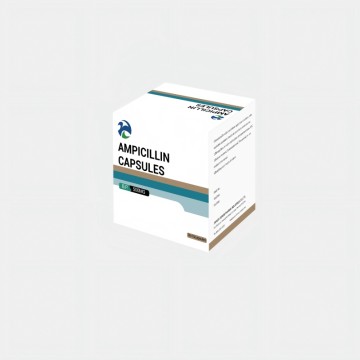
General name: Cloxacillin capsule
Trade name: Cloxacillin capsule
English name: Cloxacilin Capsules
[Composition and traits]
Main ingredient: The main ingredient of this product is ampicillin and sodium.
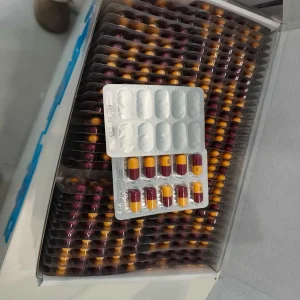
Character: This product is a capsule agent.
[indication]
It is only suitable for the treatment of staphylococcal infections, including sepsis, endocarditis, pneumonia, and skin and soft tissue infections. It can also be used for mixed infections caused by Streptococcus pyogenes or pneumococcus and penicillin-resistant staphylococcus.
[Specifications and Packaging]
Single-dose specification: 500MG
Packaging specification: 10x10 capsules
[usage and dosage]
Take it orally, 500mg in adults, 4 times a day.
[Untoward effect]
Allergic reaction: with urticaria and other kinds of rash is common, leukopenia, interstitial nephritis, asthma attacks and serum type reaction can also occur, severe cases such as anaphylactic shock, anaphylactic shock once occurs, must be in situ rescue, keep the airway open, oxygen and adrenaline, glucocorticoid treatment measures.
[Taboo]
Patients with a history of penicillin allergy or patients with positive penicillin skin test are prohibited.
[Matters need attention]
1. Before applying this product, ask for details about drug allergy history and conduct penicillin skin test.
2. Patients allergic to one penicillin may be allergic to other penicillin drugs or penicillamine.
3. Patients with asthma, eczema, hay fever, urticaria and other allergic diseases should use this product with caution.
[condition of storage]
Keep sealed below 25℃.
[term of validity]
24 Months
Description:
Cloxacillin is white powder or crystalline powder; slightly odorous, bitter in taste; hygroscopic. It is easily soluble in water, soluble in ethanol, and almost insoluble in ethyl acetate. Specific Rotation Take this product, accurately weigh it, dissolve it in water and dilute it into a solution containing 10 mg per 1 ml, and measure it according to the law (Appendix VIE). The specific rotation is +163° to +172°. Clinically, it is a narrow-spectrum semi-synthetic penicillin, its antibacterial effect and antibacterial spectrum are similar to those of oxacillin, and its clinical indications are the same as those of oxacillin. Clinically, it is mainly used for sepsis, pneumonia, endocarditis, osteomyelitis or skin and soft tissue infections caused by enzyme-producing Staphylococcus aureus or other staphylococci. Very low toxicity and low incidence of adverse reactions. When renal function is severely reduced, this product should not be administered intravenously in large doses.