Explore our high-performance pharmaceutical actives, pure nutritional additives, and biological compounds sourced directly from our advanced production facilities. We implement strict GMP compliance pathways to deliver global consistency.
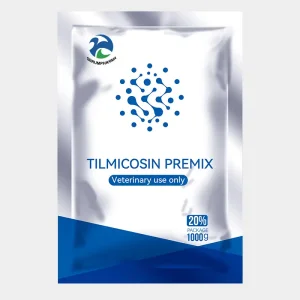 Wholesale Premium Tilmicosin Premix(20%) for Effective Animal Respiratory Care Suppliers, Service
Request Specifications
Wholesale Premium Tilmicosin Premix(20%) for Effective Animal Respiratory Care Suppliers, Service
Request Specifications
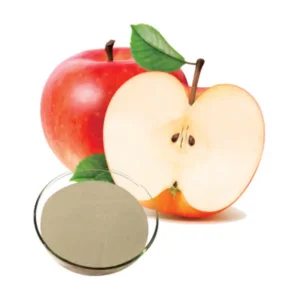 High-Quality Natural Flavor Apple Juice Powder Beverage & Supplement Supplier, Product
Request Specifications
High-Quality Natural Flavor Apple Juice Powder Beverage & Supplement Supplier, Product
Request Specifications
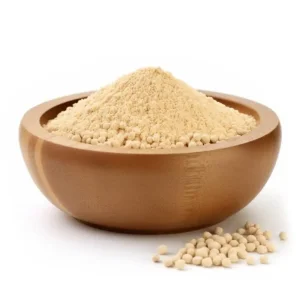 Best Pea Protein Isolate Powder in both Conventional and Organic Versions Service, Product
Request Specifications
Best Pea Protein Isolate Powder in both Conventional and Organic Versions Service, Product
Request Specifications
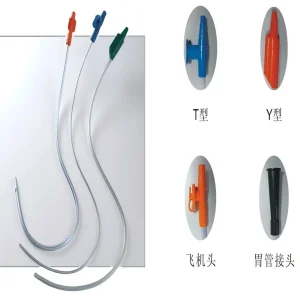 Wholesale Suction tube with plane joint,Y type and T type joint in different specifications Catheter Aspiratory Tube Medical Device for Respiratory Treatment Products, Product
Request Specifications
Wholesale Suction tube with plane joint,Y type and T type joint in different specifications Catheter Aspiratory Tube Medical Device for Respiratory Treatment Products, Product
Request Specifications
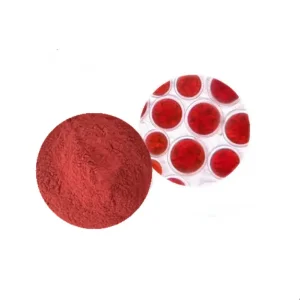 High-Quality Natural Astaxanthin through Fermentation with Higher Purity Service, Product
Request Specifications
High-Quality Natural Astaxanthin through Fermentation with Higher Purity Service, Product
Request Specifications
The global demand for natural pest control solutions has witnessed exponential growth over the past decade. Among the most popular botanical agents, Mosquito Peppermint Oil (derived from Mentha piperita) stands as a premier solution for both consumer repellents and industrial agricultural barrier formulations. B2B buyers, product developers, and procurement officers are increasingly moving away from synthetic chemicals like DEET and Picaridin due to escalating regulatory scrutiny and consumer demands for bio-based, eco-friendly, and non-toxic profiles.
Peppermint oil's efficacy lies within its high concentration of natural terpenes, specifically L-Menthol and Menthone. These volatile organic compounds function as potent neuro-blockers against insect olfactory sensors, specifically masking the carbon dioxide and lactic acid signatures emitted by humans and livestock. From a molecular perspective, pure peppermint oil contains up to 40% menthol and 20% menthone, offering robust repellent properties. When combined with correct carriers, stabilized emulsions of peppermint oil provide a natural, highly competitive shield against common vectors such as Anopheles, Culex, and Aedes mosquitoes.
For industrial manufacturers, finding the right mosquito peppermint oil suppliers is a critical exercise in quality assurance. The global trade involves navigation of distinct product grades—ranging from therapeutic, cosmetic, to industrial/agricultural grade. The major challenge facing procurement officers is adulteration. Synthetic cornmint oil or chemical additives are often blended with pure peppermint oil to lower prices. To ensure compliance, high-tier suppliers utilize Gas Chromatography-Mass Spectrometry (GC-MS) analysis to guarantee the precise chromatographic fingerprinting of the oil. This validates the botanical origin, ensuring that the critical active repellency compounds have not been compromised.
China's role as a powerhouse for extraction and purification of bio-pharmaceuticals and botanical extracts is unparalleled. By combining traditional agrarian cultivate access with advanced industrial fractionation techniques, Chinese factories located in key agricultural zones yield significant structural and operational efficiencies.
Through automated steam distillation chambers and continuous vacuum fractional columns, Chinese refineries achieve volatile oil yields up to 15% higher than traditional batch processing methods. This allows for precise standardization of L-Menthol contents.
Aligning with European REACH and United States EPA FIFRA 25(b) exempt guidelines, factories run double-tier testing. Every batch undergoes testing for heavy metals, residual pesticide profiles, and microbial loads to maintain global compliance standards.
Positioned near major shipping nodes in Shanghai, Shenzhen, and Ningbo, Chinese producers minimize transit risks. Controlled atmosphere bulk storage facilities preserve essential oils from heat-induced degradation, securing longer shelf-lives.
As an established leader in the pharmaceutical and nutritional ingredient export industry, Jiangxi Serum Pharma Industries Co., Ltd. brings nearly 10 years of export experience to global clients. Operating out of China, we provide high-grade biological supplies, Western medicines, plant extracts, food additives, and intermediates to global corporations.
Our focus remains on serving demanding pharmaceutical, nutraceutical, and agricultural supply chains. We bridge the gap between Chinese factory efficiencies and foreign strict compliance standards, offering customized sourcing, quality verification, and reliable shipment options.
Peppermint oil is versatile, but its physical properties necessitate diverse formulation structures based on real-world applications. The volatility of essential oils means they degrade quickly in open environments. To prolong effectiveness, modern industries rely on targeted delivery systems:
In retail markets, consumers demand pleasant fragrances and immediate safety. Topical mosquito repellents utilize a mixture of 5% to 10% pure peppermint oil suspended in carrier lipids like fractionated coconut oil or cosmetic-grade ethanol. These formulations must pass dermatological irritation tests while retaining volatility controls to extend bite-protection time up to 4 hours per application.
Modern organic farms deploy peppermint oil barriers to safeguard crop boundaries against invasive pests without introducing synthetic chemical residue. Field applications require stable oil-in-water microemulsions that can be fed through automated boom sprayers. By utilizing natural emulsifiers like lecithin or polysorbate series, the peppermint oil is evenly dispersed, forming a thin, vapor-releasing barrier over crop leaves that deters mosquitoes and soft-bodied crop pests.
Flies, mosquitoes, and ticks introduce massive disease vector risks to livestock farming (such as blue-tongue virus and bovine malaria). Using peppermint oil within veterinary sprays provides a natural repellent action. This relieves animal stress and minimizes reliance on organophosphates. These veterinary formulations are designed to adhere to animal coats, requiring specialized viscosity agents to resist wind and rain exposure.
At Serum Pharma, we continuously monitor the development of cutting-edge markets. In coordination with global partners, we have introduced specialized customization services designed to address stability challenges inherent to natural ingredients. This includes pioneering works in Pre-mix, Co-Crystallization, and Bio-Fermentation technologies.

We design standardized pre-blended active compounds. This enables manufacturers to bypass complex mixing stages, providing consistent dispersion, optimized solubility, and instant compatibility with water or solvent bases in agricultural and consumer production lines.

Our co-crystallization processes trap volatile oils within crystalline structures (like sugar or maltodextrin). This shields active compounds from thermal and oxidative stress, dramatically extending shelf life and offering solid-state handling benefits.

We leverage microbial fermentation platforms to biosynthesize high-purity phytochemical analogs and specialty bio-nutrients. This sustainable method ensures consistent supply independent of seasonal agricultural volatility.
Keeping track of adjacent bio-chemical industries provides crucial insights into structural supply trends, regulatory changes, and raw material access. Read our latest industry intelligence updates below.
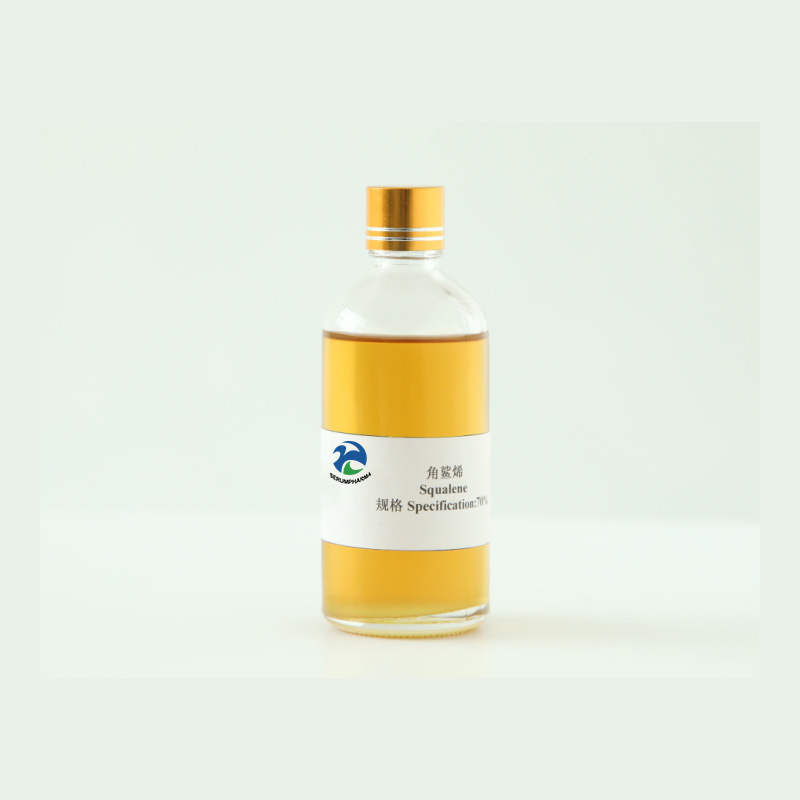
Analyze the global shift away from shark-derived squalene toward sustainable olive and sugarcane bio-fermented alternatives. This transition highlights a broader industry movement toward eco-certified botanical alternatives across cosmetics and pharmaceutical adjuvants.
Read Full Report →
A detailed pharmaceutical review highlighting the critical manufacturing pathways, active pharmaceutical ingredient (API) supply security, and clinical demand drivers for dexamethasone-based therapeutic solutions in global healthcare.
Read Full Report →A review of Lilly's Foundayo™ (orforglipron) — the world's first oral GLP1 weight-loss solution approved with a 50-day rapid timeline. This development shifts market focus toward oral non-peptide pathways and highlights major implications for synthetic chemistry supply chains globally.
Read Full Report →Get authoritative answers on quality standards, sourcing specifications, and chemical compositions for industrial mosquito peppermint oil products.
Explore our catalog of advanced active pharmaceutical ingredients (APIs), specialized medical accessories, and pure natural nutritional powders. Each item meets global manufacturing certifications.
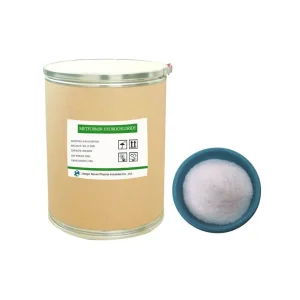 High-Quality Metformin Hydrochloride for the treatment of type 2 diabetes Products, Product
Request Specifications
High-Quality Metformin Hydrochloride for the treatment of type 2 diabetes Products, Product
Request Specifications
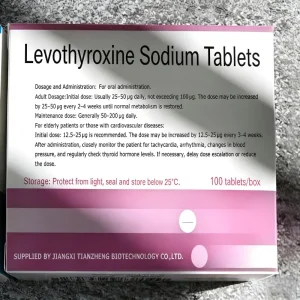 High-Quality Levothyroxine Sodium Tablets for the long-term replacement therapy of congenital hypothyroidism (cretinism) and hypothyroidism Service, Product
Request Specifications
High-Quality Levothyroxine Sodium Tablets for the long-term replacement therapy of congenital hypothyroidism (cretinism) and hypothyroidism Service, Product
Request Specifications
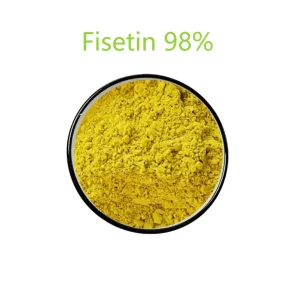 High-Quality 100% Natural Fisetin 98% with Competitive Price Supplier, Suppliers
Request Specifications
High-Quality 100% Natural Fisetin 98% with Competitive Price Supplier, Suppliers
Request Specifications
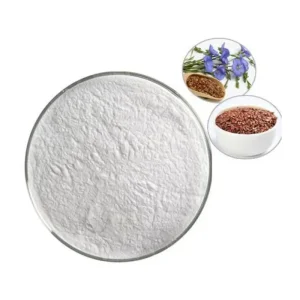 Wholesale Natural Pure 50% Flaxseed Oil Powder for Food Supplement Supplier, Products
Request Specifications
Wholesale Natural Pure 50% Flaxseed Oil Powder for Food Supplement Supplier, Products
Request Specifications
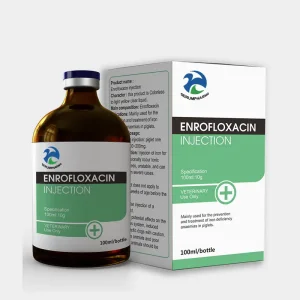 High-Quality Reliable Enrofloxacin Injection for Livestock and Pet Care take effect rapidly Supplier, Products
Request Specifications
High-Quality Reliable Enrofloxacin Injection for Livestock and Pet Care take effect rapidly Supplier, Products
Request Specifications