[Drug name]
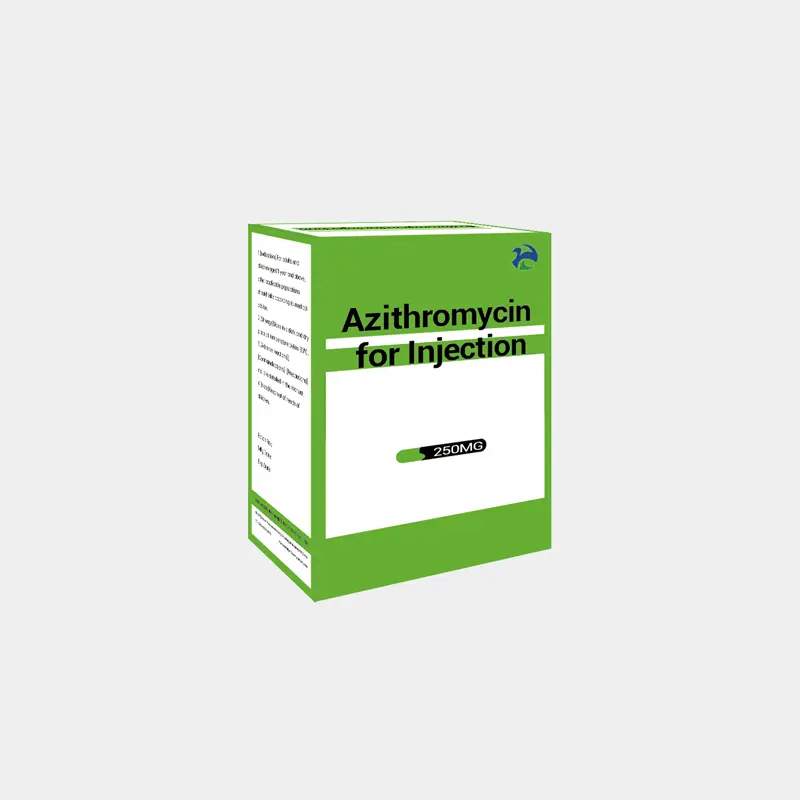
Common name: Azithromycin for injection
Trade name: Azithromycin for injection
English name: Azithromycin for Injection
[Composition and traits]
Main ingredient: The main ingredient of this product is azithromycin.
Character: This product is white or like white powder or loose mass.
[indication]
For community-acquired pneumonia caused by chlamydia pneumoniae, Haemophilus influenzae, H. influenzae, Legionella pneumophila, M. catarrrhis, M. pneumoniae, Staphylococcus aureus, or Streptococcus pneumoniae, for pelvic inflammation caused by Chlamydia trachomatis, Neisseria gonorrhoeae, and Mycoplasma hominis.
[Specifications and Packaging]
Single-dose specification: 250MG
Packaging specification: 1 + 1 piece
[usage and dosage]
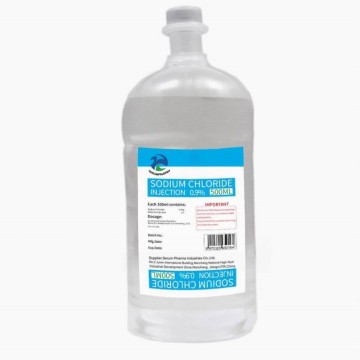
1. Usage: Fully dissolve this product with appropriate injection water, prepare into 0.1g / ml, then add to 250ml or 500ml 0.9% sodium chloride injection or 5% glucose injection, the final azithromycin concentration is 1.0-2.0mg/ml, and then intravenous infusion. The concentration was 1.0 mg/ml and the infusion time was 3 hours; 2.0 mg/ml and the infusion time was 1 hour. The infusion time of this product shall not be less than 60 minutes, and the drip concentration shall not be higher than 2.0 mg/ml.
2. Dosage:
(1) Treatment of community-acquired pneumonia: adults with 0.5g once a time, once a day, at least 2 days of continuous medication, followed by 0.5g of oral azithromycin preparation for a day, 7-10 days as a course of treatment.
(2) Treatment of pelvic inflammatory disease: adults once 0.5g, once a day, 1 day or 2 days after medication, use azithromycin oral preparation 0.25g a day, 7 days as a course of treatment.
[untoward effect]
Common adverse reactions of this product include: gastrointestinal reactions, diarrhea, abdominal pain, loose stool, nausea, vomiting, etc. Local reaction, pain at the injection site, local inflammation, etc. Skin reaction, skin rash, and itching. Other reactions, such as anorexia, vaginitis, stomatitis, dizziness or dyspnea.
[taboo]
Disabled to azithromycin, erythromycin or any other macrolide allergy.
[matters need attention]
1. Dose adjustment is not required for patients with mild renal insufficiency (creatinine clearance> 40ml / min), but there is no data on the use of azithromycin in patients with more severe renal insufficiency, so azithromycin in these patients.
2. As the hepatobiliary system is the main way of azithromycin excretion, it should be used with caution in patients with liver insufficiency and not used in patients with severe liver disease. Liver function will be followed up regularly during the medication period.
3. During the treatment period, if the patient has diarrhea symptoms, pseudomembrane enteritis should be considered. If the diagnosis is established, appropriate therapeutic measures should be taken, including maintaining water and electrolyte balance, protein supplementation, etc.
[condition of storage]
Sealed and stored in a cool (no more than 20℃) dry place.
[term of validity]
24 Months