[Drug name]
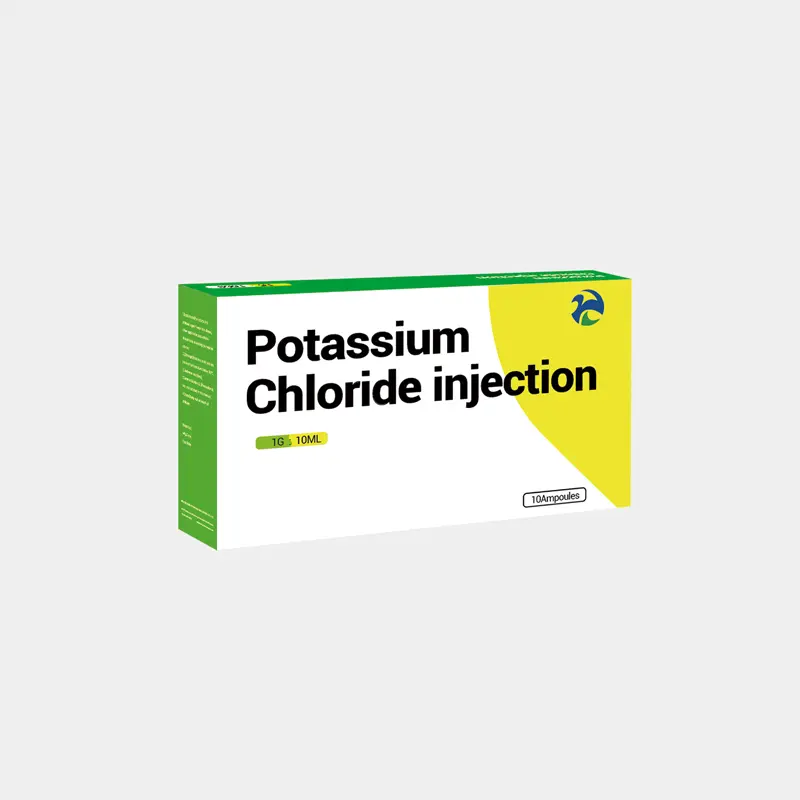
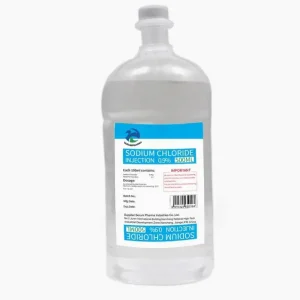
General name: Potassium chloride Injection
Trade name: Potassium chloride injection
English name: Potassium Chloride Injection
[Composition and traits]
Main ingredients: The main ingredient of this product is potassium chloride.
Character: This product is a colorless and clear liquid.
[indication]
1. Treatment of hypokalaemia caused by various causes, such as insufficient insufficiency, vomiting, severe diarrhea, application of potassium exclusion diuretics, hypokalemic family periodic paralysis, low-kalaemia caused by long-term application of glucocorticoids and supplementation of hypertonic glucose.
2. Prevent hypokalemia. When patients have potassium loss, especially if hypokalemia is harmful to patients (such as patients using digitalis drugs), preventive potassium supplementation is needed, such as little eating, severe or chronic diarrhea, long-term use of adrenocorticoid, potassium loss nephropathy, Bartter syndrome, etc.
3. Digitalis poisoning causes frequent, multisource premature beats or rapid arrhythmia
[Specifications and Packaging]
Single-dose specification: 1G: 10ML
Packaging specification: 10 pieces
[usage and dosage]
1. The potassium content of every 1g of potassium chloride is 13.4mmol; for severe hypokalemia or not taken orally; generally add 10% potassium chloride injection 10-15ml to 5% glucose injection 500ml.
2. Daily pediatric dose of 0.22g / kg (3 m mol/kg).
[untoward effect]
1. When the intravenous drip concentration is high, the speed is fast or the vein is fine, it is easy to stimulate the vein and cause pain, and even occur phlebitis.
2. Hyperkalemia is prone to occur with excessive application, rapid infusion rate or original renal function damage. It shows weakness, fatigue, numbness of hand, foot and lips, unexplained anxiety, confusion, dyspnea, slowed heart rate, arrhythmia, conduction block, and even cardiac arrest.
[taboo]
1. Patients with hyperkalaemia.
2. Acute renal insufficiency and chronic renal insufficiency are prohibited.
3. Not allergic to this product and its ingredients.
[matters need attention]
1. This product shall not be injected directly by ously, and not without dilution.
2. Use with caution in the following situations:
(1) Metabolic acidosis is associated with oliguria.
(2) Patients with weakened adrenal cortical function.
(3) Acute and chronic functional failure.
(4) Acute dehydration, due to severe cases can reduce urine volume, urine K + excretion.
(5) Familial periodic paralysis, hypokalemic paralysis should be given potassium supplement, but need to identify high potassium or normal blood potassium periodic paralysis.
(6) Chronic or severe diarrhea can cause hypokalemia, but at the same time can cause dehydration and hyponatremia, causing prerenal oliguria.
(7) Gastrointestinal obstruction, chronic gastritis, ulcer disease, esophageal stenosis, diverticular room, lack of intestinal tension, ulcerative enteritis, should not take oral potassium, so the stimulation of potassium to the gastrointestinal tract increases, can aggravate the disease.
(8) conduction block arrhythmias, especially when the digitalis drugs are used.
(9) Mass burns, muscle trauma, severe infection, 24 hours after major surgery, and severe hemolysis, which by itself can cause hyperkalemia.
(10) Adrenal abnormalities syndrome with insufficient minerocorticoid secretion.
[condition of storage]
Keep sealed below 25℃.
[term of validity]
24 Months