Rapid-deployment generic medicines and solutions tailored for clinical networks, regional dispensaries, and public healthcare programs in South Sudan.
Jiangxi Serum Pharma Industries Co., Ltd. is a professional supplier of pharmaceutical and nutritional products in China. For nearly 10 years, we have been dedicated to exporting biological products, vaccines, Western medicines, raw materials, intermediates, medical consumables, food additives, and plant extracts, and have accumulated rich industry experience.
Recognizing the critical structural imbalances in frontier healthcare sectors, we have calibrated our operations to function as a strategic pipeline for sub-Saharan nations, specifically focusing on the complex distribution channels of South Sudan. By combining robust API sourcing, strict bioequivalence verification, and specialized maritime and overland logistics, we ensure that essential therapies reach local hospitals, non-governmental aid programs, and private healthcare agencies safely and efficiently.
Our operation goes beyond simple product manufacturing; we offer a total regulatory and distribution service designed to overcome the logistical and infrastructural challenges of the East African pharmaceutical market.
Through decade-long capital allocations and systemic production refinements, we have built a robust export system capable of supplying standard pharmaceutical products to extreme operational zones.
An analytical overview of South Sudan's commercial pharmaceutical infrastructure, regulatory frameworks, supply challenges, and international sourcing dependencies.
The pharmaceutical sector in South Sudan represents one of the most promising yet logistically demanding markets in East Africa. With a heavy reliance on imports to meet domestic demand, the country depends on global supply lines for essential medicines. The regulatory body, the South Sudan Food and Drug Control Authority (SSFDCA), works continuously to establish quality guidelines, clean up importing pipelines, and prevent counterfeit formulations from entering the country.
Local distribution is split into three main channels: government-run procurement through the Ministry of Health and Central Medical Stores, international NGO/UN aid pipelines supporting humanitarian efforts, and a growing private commercial wholesale sector centered in metropolitan hubs like Juba, Wau, and Malakal. Sourcing directly from certified international plants is key to stabilizing drug costs and ensuring the safety of therapies used in local clinics.
On a global scale, the generic medicines industry is shifting toward diversified supply chains. Rising API (Active Pharmaceutical Ingredient) costs and geopolitical fluctuations have highlighted the risks of relying on single-source suppliers. Standardizing drug dossiers under WHO guidelines allows manufacturers to distribute essential drugs across multiple developing markets quickly.
For markets like South Sudan, generic medicines are essential for public health budgets. Therapies for common infections, maternal emergencies, and cardiovascular conditions must remain affordable. By utilizing WHO-GMP certified production lines, global distributors can offer cost-effective generics that match the bioequivalence of brand-name drugs, maintaining therapeutic efficacy at a fraction of the cost.
China's pharmaceutical sector offers unmatched scale, advanced chemical synthesis, and highly efficient manufacturing processes. Modern API synthesis facilities allow Chinese exporters to manage downstream production costs effectively, offering stable pricing even during global market shifts. This efficiency makes Chinese factories key partners for large-scale international tenders.
At Jiangxi Serum Pharma Industries Co., Ltd., we utilize this infrastructure to guarantee quality and regulatory compliance. Our facilities feature automated dosage form production, state-of-the-art sterile validation lines, and integrated quality control systems. This allows us to supply high-purity generic drugs at competitive prices to international markets, including South Sudan.
All batches undergo strict chromatography testing, stability trials under high humidity conditions, and third-party validation to meet international pharmacopoeia standards.
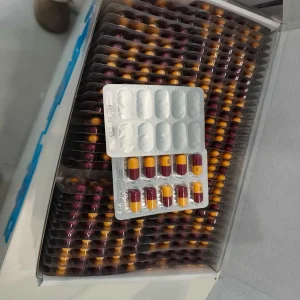
We pack our products in reinforced multi-layer aluminum foils and moisture-resistant blisters, protecting chemical stability against sub-Saharan temperatures.
We provide complete regulatory support, including Certificates of Pharmaceutical Product (COPP), stability data, and registration documents for the SSFDCA.
Adapting global manufacturing capacities to meet the specific environmental, clinical, and logistical needs of South Sudan.
Distributing pharmaceuticals in South Sudan requires addressing challenges like limited tarmac infrastructure and long transit times. High-humidity climates demand packaging that prevents degradation. We address these conditions by utilizing robust PVC/PVDC materials and high-density polyethylene (HDPE) containers for all dry oral dose formulations.
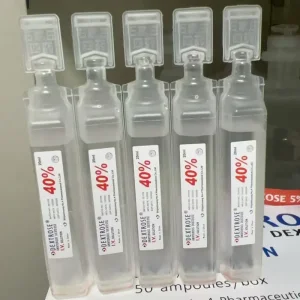
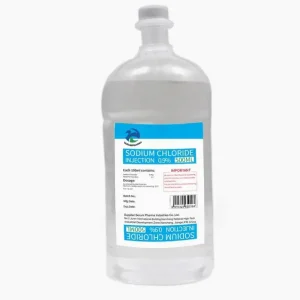
For liquid injectables, such as Sodium Chloride 0.9% and Dextrose 40%, we offer shatterproof, lightweight plastic ampoules. This packaging reduces transport damage, lowers shipping weights, and simplifies handling in emergency medical tents, rural mobile clinics, and hospital wards.
Additionally, we work closely with shipping partners in Mombasa and Port Sudan to coordinate overland routes into South Sudan, maintaining the required temperature controls and supply chain security from departure to arrival.
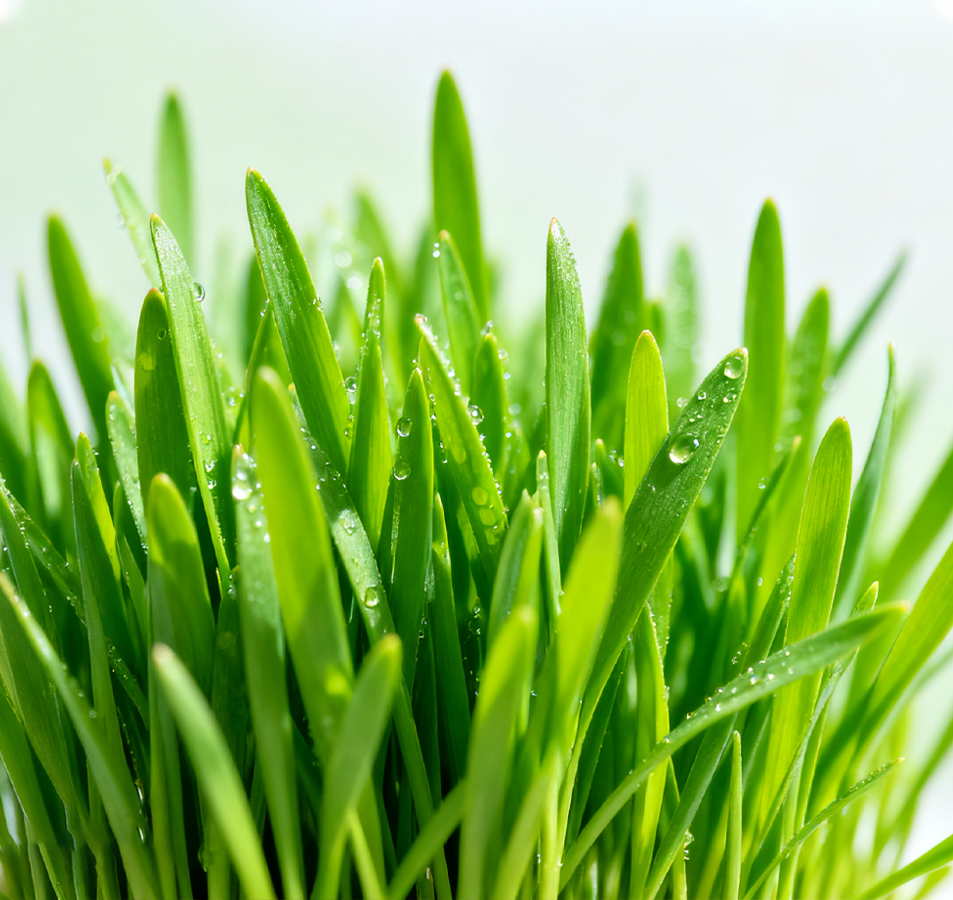
Improving drug stability, bioavailability, and production efficiency through advanced pharmaceutical engineering.

Homogeneous active compound pre-mixes that simplify local production steps, reduce impurities, and ensure consistent dosage distribution in finished formulations.

Modifying the physical-chemical properties of APIs at the molecular level to improve thermal stability, dissolution rates, and shelf-life in hot climates.

High-yield synthesis pathways for active ingredients and nutritional enzymes, ensuring high purity and eco-friendly manufacturing processes.
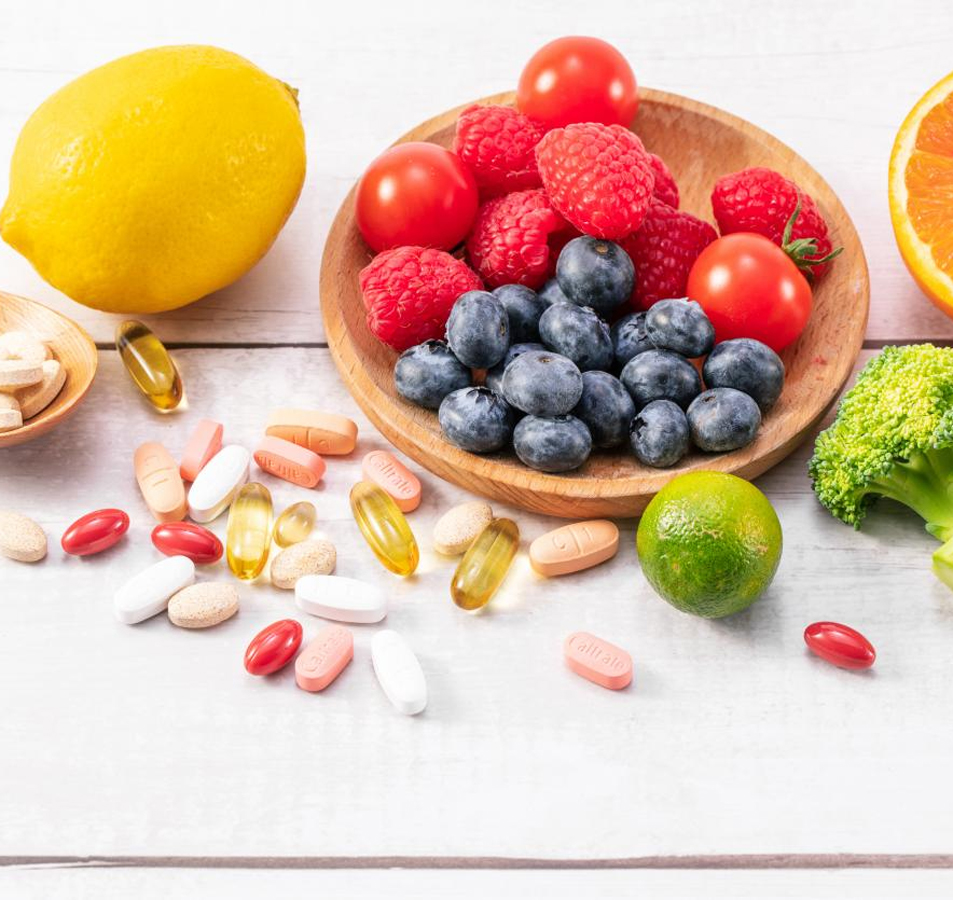
Alongside basic healthcare generics, combating malnutrition and managing chronic metabolic conditions are major public health priorities. We provide pure plant extracts, plant oils, proteins, and probiotics designed for medical supplements and therapeutic foods.
These ingredients are manufactured to meet clinical nutrition standards, ensuring high stability and potency. They are suitable for integration into NGO feeding programs, maternal health projects, and commercial wellness formulations throughout South Sudan and the East African region.
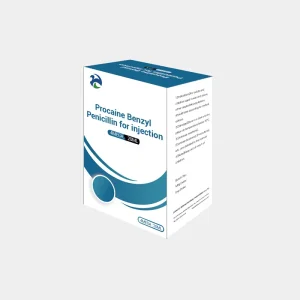
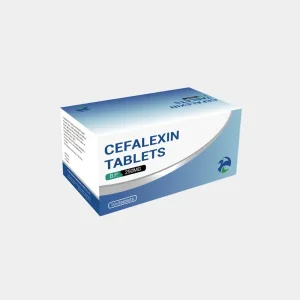
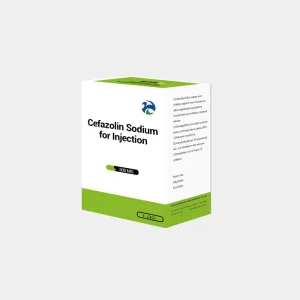
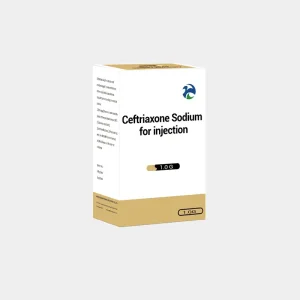
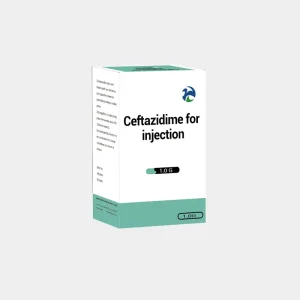
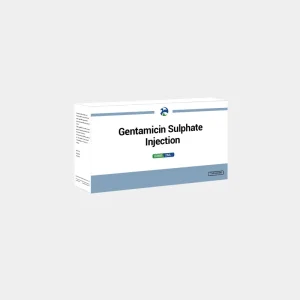
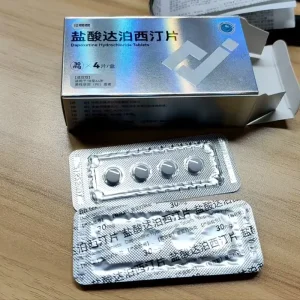
WHO-GMP compliant products including systemic anti-infectives, intravenous therapies, and hormone replacements for pharmacies and clinics in South Sudan.
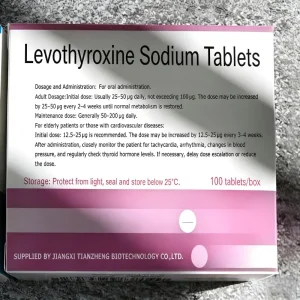
Understanding the shift towards stringent bioequivalence requirements and quality assurance standards in global healthcare procurement.
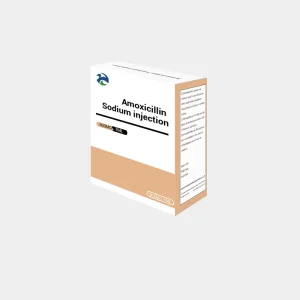
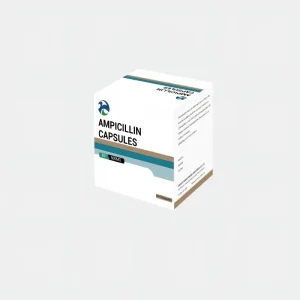
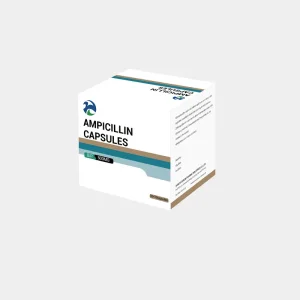
Developing generics requires verifying that the formulation matches the therapeutic efficacy of the brand-name equivalent. Our laboratory teams perform comparative dissolution profile testing and bioequivalence evaluation studies to verify matching release profiles. This is crucial for life-saving anti-infectives like Amoxicillin and Ampicillin, where therapeutic failure can lead to drug-resistant bacterial strains.
Tropical climates require robust packaging. Under standard international transport, cargo containers can reach temperatures exceeding 45°C. To protect formulation stability, we construct our blister sheets using thick aluminum-foil barriers and moisture-resistant polymers. This design helps maintain product potency throughout transport, storage, and local distribution.
Navigating regulatory systems requires detailed documentation. We assist clients in South Sudan and neighboring markets by preparing comprehensive registration dossiers. Our team provides Certificates of Pharmaceutical Product (COPP), Certificates of Analysis (COA), stability study data, and Free Sale Certificates (FSC) to simplify import approvals with the SSFDCA.
Regulatory insights, formulation breakthroughs, and global healthcare updates.
Exploring plant-derived alternatives to traditional squalene to support sustainable sourcing and green formulations in biological carriers.
Why this critical API remains essential for emergency medical care and managing systemic inflammatory responses globally.
Evaluating the regulatory and supply implications of new oral small-molecule GLP-1 weight-loss alternatives on the market.
Technical, regulatory, and logistical details about our generic medicine supply services for South Sudan.
Partner with a certified Chinese generic medicines exporter. Get in touch with our regulatory and supply chain specialists to arrange distribution, coordinate bidding tenders, and secure your pharmaceutical supply lines for South Sudan.
Send Inquiry Now